 English
 Español
+86-13777012108
(WhatsApp/WeChat)
Which type of solar light is best for home use?
The best type of solar light for home use depends on the specific area being lit, but for most households, solar wall lights and solar pathway lights offer the best overall balance of brightness, coverage, and ease of installation for everyday residential needs such as entrances, walkways, and garden borders. Larger properties needing security coverage benefit more from solar floodlights, while smaller decorative areas are often better suited to solar string lights or lanterns. A well-built Solar Light designed with an efficient panel and quality battery performs reliably across most of these use cases, and choosing the right type ultimately comes down to matching the light's brightness, coverage angle, and mounting style to the specific area of the home. The sections below compare each common type in detail to help identify the best fit.
Content
- 1 Solar Pathway Lights for Walkways and Garden Borders
- 2 Solar Wall Lights for Entrances and Building Perimeters
- 3 Solar Floodlights for Security and Large Area Coverage
- 4 Solar String Lights for Patios and Outdoor Living Spaces
- 5 Solar Lanterns and Decorative Fixtures
- 6 Comparing Solar Light Types for Common Home Needs
- 7 Factors That Affect Solar Light Performance
- 8 Placement Tips for Maximizing Solar Charging
- 9 Choosing the Right Solar Light for Your Home
Solar Pathway Lights for Walkways and Garden Borders
Solar pathway lights are stake-mounted fixtures designed to line walkways, driveways, and garden edges, providing low-level ambient light that guides foot traffic safely after dark without the harsh brightness of a floodlight. Most residential pathway lights produce between 10 and 40 lumens per fixture, a range commonly cited across outdoor lighting product specifications, which is sufficient for visibility without creating excessive glare in a garden setting.
Best Suited For
- Lining driveways and front walkways for nighttime visibility
- Marking garden bed edges or defining outdoor living spaces
- Creating soft ambient lighting along fence lines
Solar Wall Lights for Entrances and Building Perimeters
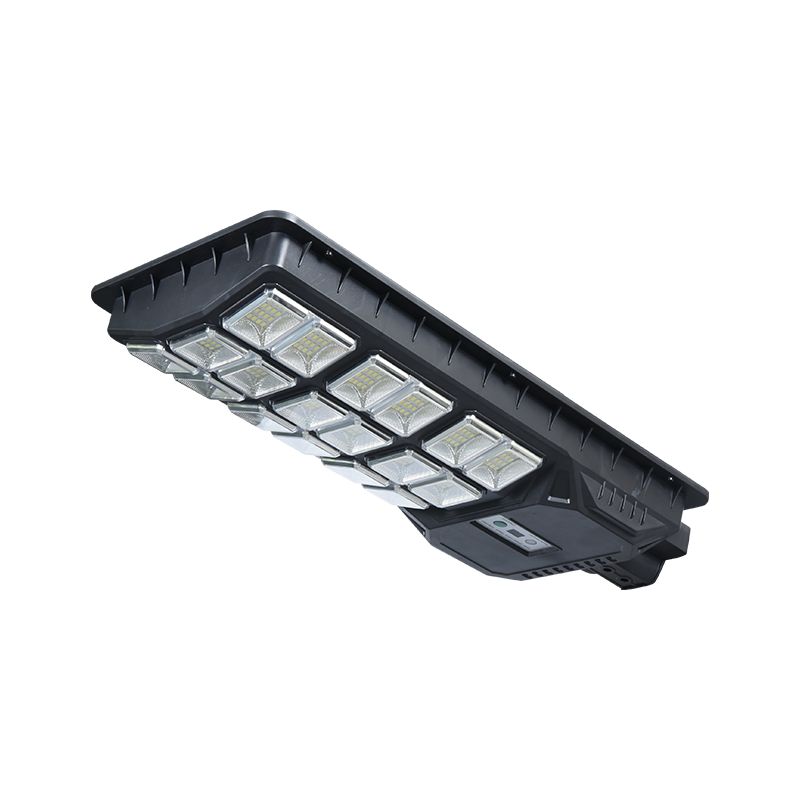
Solar wall lights mount directly to exterior walls near doors, garages, or fences, offering a more permanent and often brighter lighting solution than stake-mounted pathway lights. Many models include a built-in motion sensor that boosts brightness when movement is detected, which helps conserve battery power during long stretches of inactivity while still providing strong illumination when needed.
Why Motion Sensing Matters for Wall Lights
A wall light running at full brightness continuously through the night draws down battery charge much faster than one that dims to a lower standby level and brightens only when triggered by motion. This motion-activated approach allows the light to conserve energy during quiet hours while still delivering strong illumination exactly when someone approaches the door or driveway.
Solar Floodlights for Security and Large Area Coverage
Solar floodlights are the brightest common option for home use, typically producing 800 to 2000 lumens depending on the panel size and battery capacity, making them well suited for illuminating driveways, backyards, or large open areas where security is a priority. Because of their higher power draw, floodlights generally require a larger solar panel, either integrated or mounted separately, to keep the battery adequately charged.
Floodlight Comparison by Coverage Need
| Area Size | Recommended Lumen Range |
| Small backyard or side entrance | 800 to 1200 lumens |
| Driveway or larger backyard | 1200 to 1600 lumens |
| Wide open yard or security perimeter | 1600 to 2000 plus lumens |
Solar String Lights for Patios and Outdoor Living Spaces
Solar string lights are designed primarily for decorative and ambient lighting rather than functional visibility, often used to outline patios, pergolas, or outdoor seating areas for evening gatherings. These lights typically produce much lower output per bulb than pathway or wall lights, but their extended length and even distribution create a warm, inviting glow across a larger visual area.
Common Uses for String Lighting
- Wrapping around patio railings, pergolas, or outdoor structures
- Creating ambient lighting for outdoor dining or entertaining areas
- Adding seasonal or decorative lighting to trees and shrubs
Solar Lanterns and Decorative Fixtures
Solar lanterns and decorative post lights combine functional lighting with a design element, often chosen to complement a home's exterior style while still providing enough light for casual outdoor use. These fixtures are frequently freestanding or hung, making them a flexible option for porches, patios, or garden focal points where a stake or wall mount is not practical.
When Decorative Lighting Makes Sense
Homeowners focused on outdoor aesthetics as much as functional lighting often gravitate toward lantern-style fixtures, since they double as a design accent during the day and a light source at night. This dual purpose makes them a popular choice for porches, patios, and garden seating areas where visual appeal matters alongside illumination.
Comparing Solar Light Types for Common Home Needs
Reviewing all the main types side by side helps clarify which option best matches a specific area of the home based on brightness needs, coverage area, and installation style.
Quick Comparison Table
| Light Type | Typical Brightness | Best Home Use |
| Pathway Light | 10 to 40 lumens | Walkways and garden borders |
| Wall Light | 100 to 400 lumens | Entrances and building perimeters |
| Floodlight | 800 to 2000 plus lumens | Driveways and security areas |
| String Light | Low per bulb, ambient overall | Patios and outdoor living spaces |
| Lantern or Decorative Light | Low to moderate | Porches and garden accents |
Factors That Affect Solar Light Performance
Regardless of which type is chosen, a few underlying factors determine how well any solar light performs in real world conditions, and understanding these helps set realistic expectations before purchase.
Key Performance Factors
- Daily sunlight exposure, since shaded panels charge significantly slower
- Battery type and capacity, with lithium-ion generally outperforming nickel-based batteries
- Panel size relative to the light's power draw
- Seasonal changes in daylight hours, which affect winter charging in particular
Placement Tips for Maximizing Solar Charging
Even the best solar light will underperform if the panel does not receive adequate direct sunlight during the day, so placement plays a major role in overall effectiveness. Positioning panels away from tree cover, roof overhangs, or other structures that create shade during peak sunlight hours, generally late morning through mid afternoon, helps ensure the battery reaches a full charge before nightfall.
Placement Best Practices
- Position panels facing the direction that receives the most consistent daily sun
- Avoid mounting near trees or structures that cast shadows during peak sunlight hours
- Clean panel surfaces periodically to remove dust or debris that can reduce charging efficiency
Choosing the Right Solar Light for Your Home
Matching light type to the specific area being illuminated, whether that is a walkway needing gentle guidance lighting or a driveway needing strong security coverage, leads to better results than choosing a single light type for the entire property. A quality Solar Light built with an efficient panel and reliable battery performs well across pathway, wall, and floodlight applications, giving homeowners a dependable option regardless of which area of the home needs coverage.
Previous Post
Can solar lights be used indoors?
Next Post
What are the common issues with LED street lights?
Related Products

Our Products
Keep In Touch
export@polaryang.cn
+86-574-65167530
Xue'ao Qiangjiao Town, Ninghai County, Ningbo, Zhejiang, China
Contact Us
Copyright © Ninghai Poda Electrical Appliance Co., Ltd. Rights Reserved.
Wholesale LED Lighting Manufacturer
OEM Solar Lighting Factory
