 English
 Español
+86-13777012108
(WhatsApp/WeChat)
Can solar lights be used indoors?
Yes, solar lights can be used indoors, but the solar panel still needs to receive direct or strong indirect sunlight to charge properly, which usually means placing the panel near a window, on a windowsill, or outside during the day while using the light fixture itself indoors at night. Because glass filters out some sunlight intensity and indoor spaces rarely offer the same unobstructed exposure as an outdoor location, indoor charging is generally less efficient than direct outdoor placement. A Solar Light with a detachable or remote panel design makes indoor use far more practical, since the panel can be positioned outside or in a sunny window while the light itself stays wherever it is needed. The sections below explain how to set up solar lights for reliable indoor use and which types work best.
Content
- 1 Why Sunlight Exposure Is the Main Challenge Indoors
- 2 Best Practices for Charging Solar Lights Indoors
- 3 Solar Lights With Detachable or Remote Panels
- 4 Practical Indoor Uses for Solar Lights
- 5 Rooms and Spaces Where Indoor Solar Lighting Works Best
- 6 Limitations to Keep in Mind
- 7 Choosing the Right Solar Light for Indoor Use
Why Sunlight Exposure Is the Main Challenge Indoors
Solar panels convert sunlight into electrical energy, and their charging efficiency depends heavily on the intensity and duration of light they receive. Window glass typically blocks a portion of the sun's UV and infrared spectrum, and according to general solar panel efficiency research, panels placed behind glass can experience a noticeable drop in charging output compared with the same panel in direct outdoor sunlight.
Factors That Reduce Indoor Charging Efficiency
- Glass filtering a portion of the light spectrum the panel would otherwise absorb
- Furniture, curtains, or window screens partially blocking direct light
- Limited hours of direct sun reaching a specific window during the day
- Seasonal changes in sun angle affecting how much light reaches an indoor panel
Best Practices for Charging Solar Lights Indoors
With the right setup, solar lights can still charge adequately for indoor use, even if the process takes a bit more planning than simply setting a light outside. Choosing the sunniest available window and repositioning the panel throughout the day, if practical, both help maximize the amount of usable light reaching the solar cell.
Steps to Improve Indoor Charging
- Place the panel on a south-facing windowsill in the northern hemisphere, or north-facing in the southern hemisphere, for maximum daily sun exposure
- Keep the glass surface clean, since dust and grime further reduce light transmission
- Avoid placing the panel behind tinted or frosted glass, which blocks additional light
- Move the panel outside briefly on especially sunny days if a full recharge is needed quickly
Solar Lights With Detachable or Remote Panels
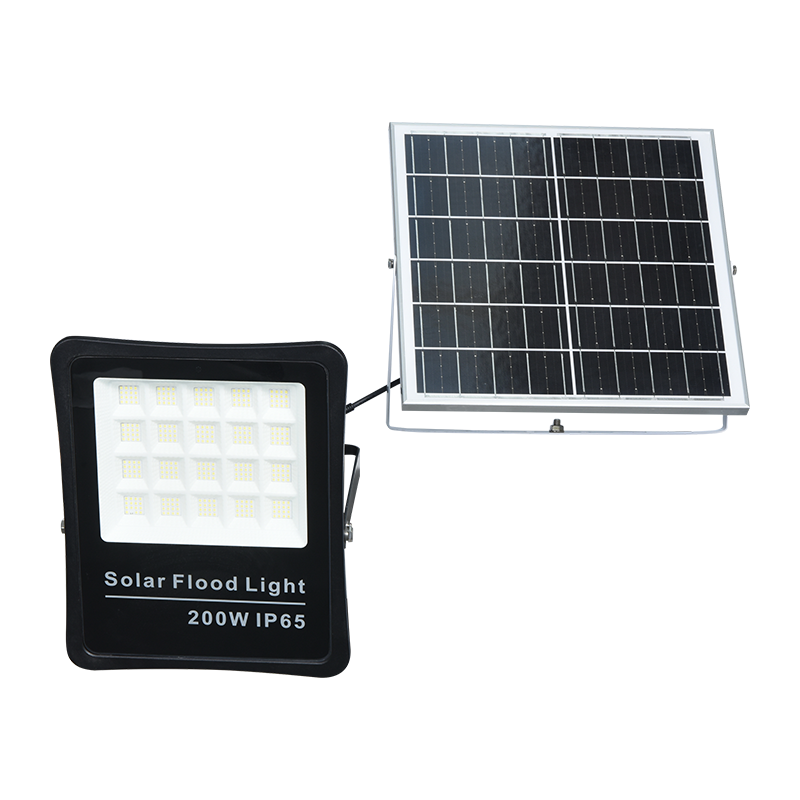
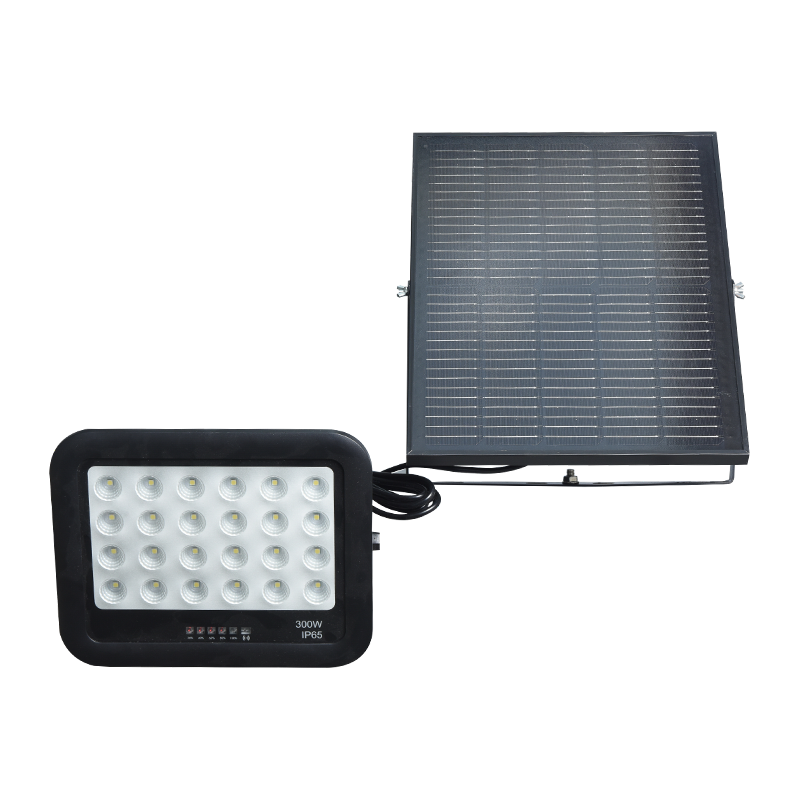
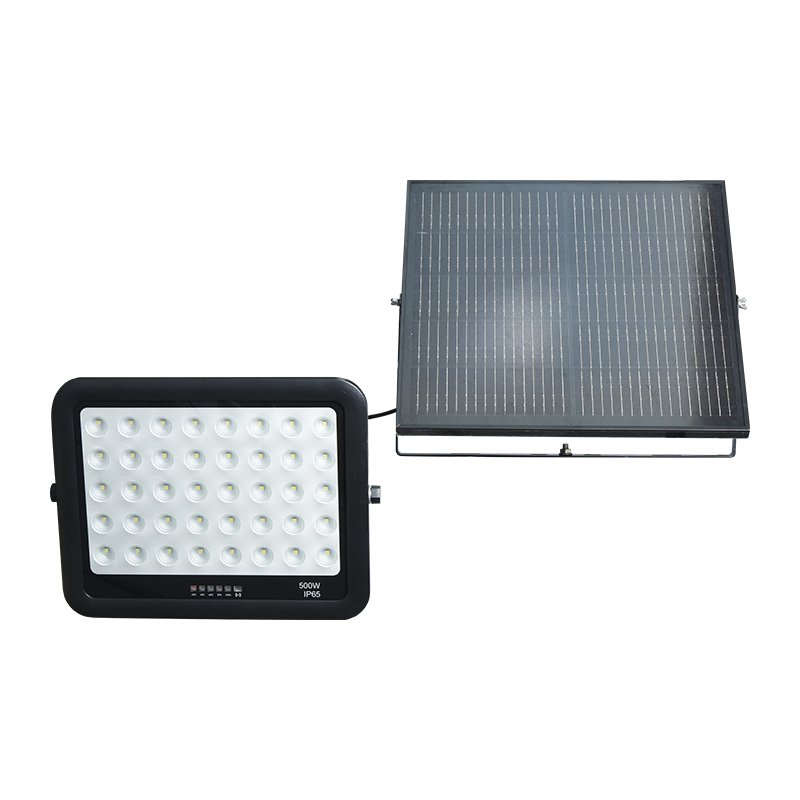
The most practical solution for consistent indoor use is a solar light with a separate panel connected by a cable, allowing the panel to sit outside in full sun while the light fixture itself remains indoors in the location where it is actually needed. This setup avoids the efficiency losses associated with charging through glass entirely, since the panel receives the same direct sunlight exposure as any outdoor solar light.
Remote Panel Setup Comparison
| Setup Type | Charging Efficiency | Best For |
| Panel behind a window | Reduced, filtered by glass | Occasional or backup lighting |
| Remote panel placed outside | Full outdoor level efficiency | Regular daily indoor use |
| Integrated panel light indoors | Lowest, dependent on room lighting | Decorative or infrequent use only |
Practical Indoor Uses for Solar Lights
Once charging is properly managed, solar lights can serve several practical purposes indoors, particularly in spaces without easy access to electrical outlets or where a soft, battery-powered light source is preferred over hardwired fixtures.
Common Indoor Applications
- Accent lighting for shelves, plant displays, or decorative corners
- Backup lighting in areas prone to power outages, such as basements or storage rooms
- Lighting in sheds, garages, or workshops with limited or no electrical wiring
- Task lighting near a windowsill where the panel can charge in place
Rooms and Spaces Where Indoor Solar Lighting Works Best
Solar lights tend to perform best indoors in spaces that either receive strong natural light throughout the day or where a remote panel can be positioned outside a nearby window or door. Sunrooms, spaces with skylights, and rooms with large unobstructed windows are naturally better suited to this kind of lighting than interior rooms with little or no direct sun exposure.
Ideal Indoor Locations
- Sunrooms or rooms with skylights that receive consistent daylight
- Garages or sheds with a nearby exterior wall for remote panel placement
- Storage areas or basements needing occasional backup lighting
- Windowsill areas where a light fixture can sit directly in the charging zone
Limitations to Keep in Mind
While indoor use is possible, it is important to set realistic expectations, since solar lights used entirely indoors without a remote outdoor panel will generally have shorter runtime and dimmer output than the same light used outdoors. Interior rooms with limited window access, north-facing rooms in the northern hemisphere, or spaces with heavy curtains are particularly poor candidates for reliable solar charging.
Situations Where Solar Lighting May Not Be Ideal
- Interior rooms with no direct window access at all
- Spaces requiring consistent, high-output lighting throughout the day
- Rooms where windows are frequently covered by blinds or curtains
Choosing the Right Solar Light for Indoor Use
For anyone planning to use solar lighting indoors on a regular basis, selecting a model with a detachable panel and a sufficiently long connecting cable offers the most reliable charging setup, since it allows the panel to remain in full sun outdoors while the light itself stays wherever it is needed inside. A Solar Light built with this kind of flexible panel configuration, along with a quality battery capable of holding charge efficiently, gives indoor users a dependable lighting option without relying on a wall outlet.
Previous Post
What is the working principle of LED high bay lights?
Next Post
Which type of solar light is best for home use?
Related Products

Our Products
Keep In Touch
export@polaryang.cn
+86-574-65167530
Xue'ao Qiangjiao Town, Ninghai County, Ningbo, Zhejiang, China
Contact Us
Copyright © Ninghai Poda Electrical Appliance Co., Ltd. Rights Reserved.
Wholesale LED Lighting Manufacturer
OEM Solar Lighting Factory
