 English
 Español


+86-13777012108
(WhatsApp/WeChat)
What are the uses of Solar Street Lights?
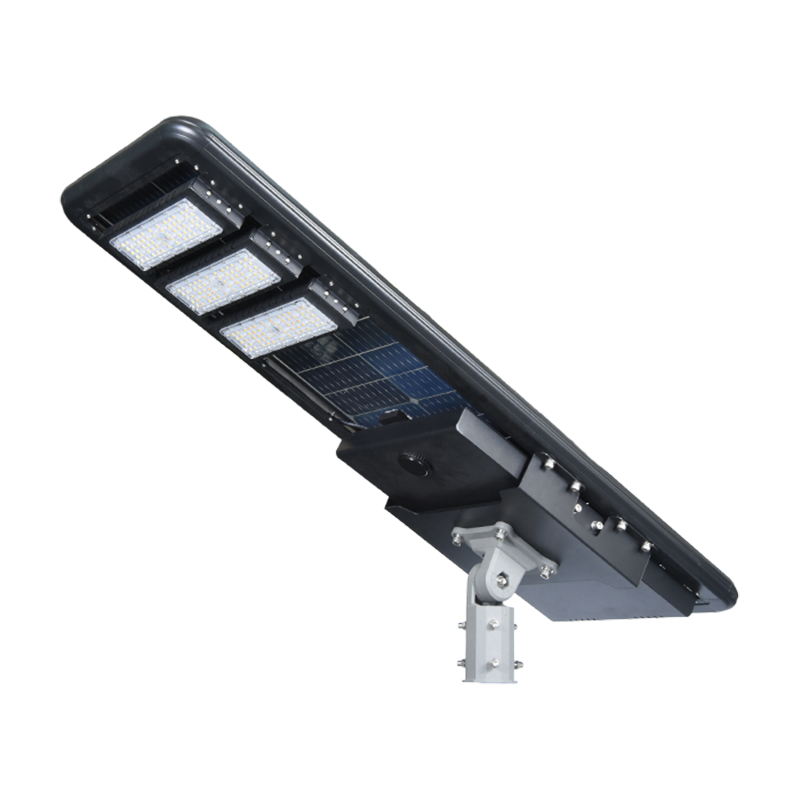
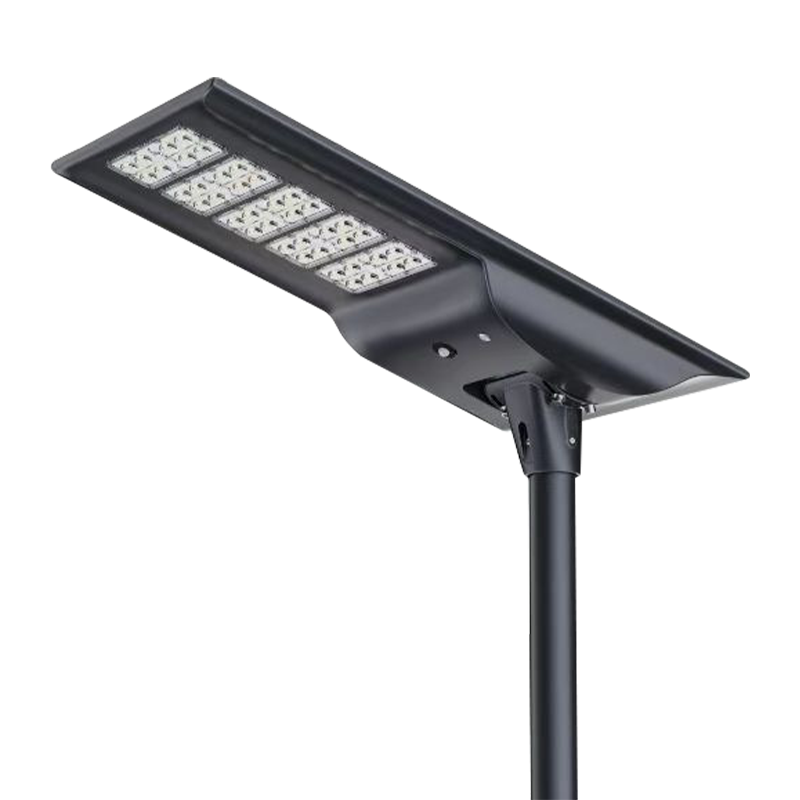
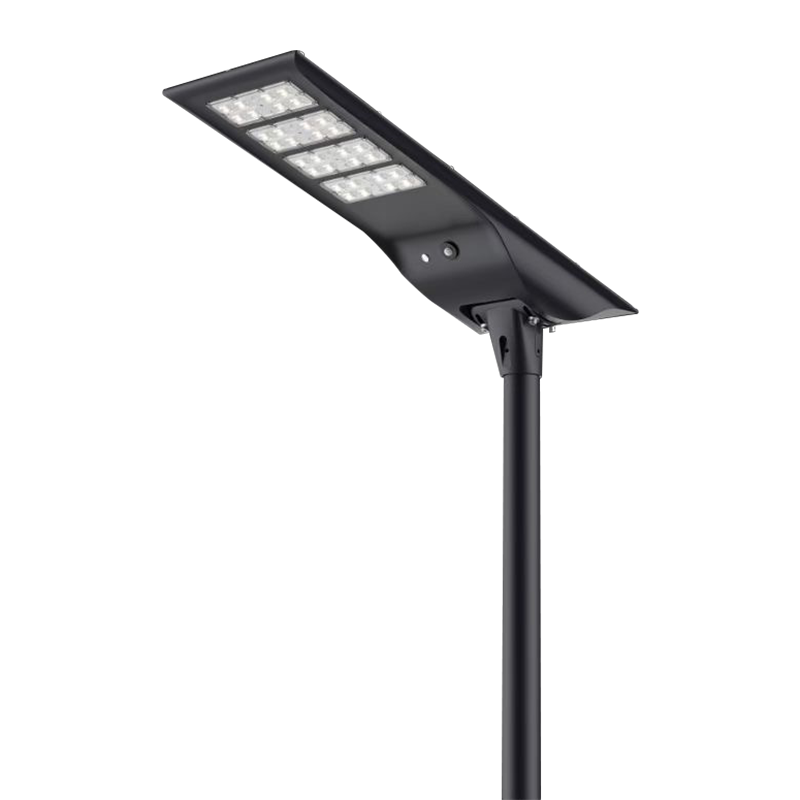
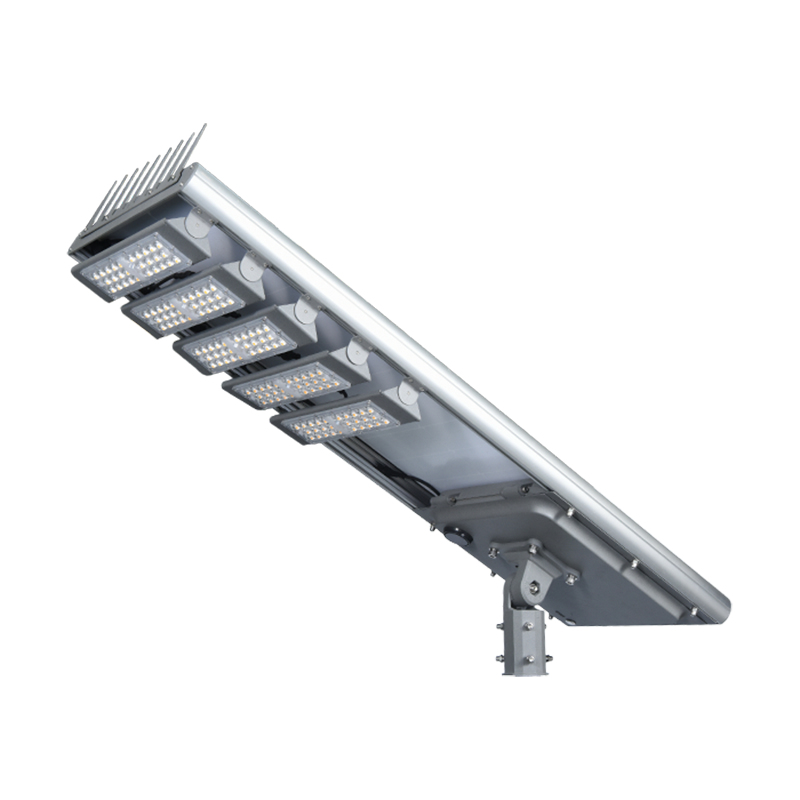
Solar street lights are used to provide autonomous outdoor illumination for roads, pathways, public spaces, and remote locations without connection to the mains electricity grid. They harvest sunlight during the day using solar panels, store the energy in batteries, and automatically switch on at dusk to light the area throughout the night. Their applications span urban streets and highways, rural roads and villages, parks and recreational areas, commercial and industrial sites, and humanitarian or off-grid development projects — anywhere reliable outdoor lighting is needed without the cost or infrastructure of grid-connected cabling.
Content
- 1 Road and Highway Lighting
- 2 Rural Electrification and Off-Grid Community Lighting
- 3 Parks, Pathways, and Recreational Areas
- 4 Residential and Housing Development Lighting
- 5 Industrial Sites, Logistics Hubs, and Car Parks
- 6 Solar Street Light Applications at a Glance
- 7 Environmental and Operational Benefits Across All Applications
Road and Highway Lighting
The most widely deployed application for solar street lights is road and highway illumination. Solar lights are installed along main roads, secondary roads, junctions, roundabouts, and slip roads to improve visibility and safety for vehicle and pedestrian traffic during darkness. In regions with high solar irradiance, a well-specified solar street light with lithium iron phosphate battery storage can maintain continuous lighting through 3–5 consecutive overcast days without solar recharging — making it a reliable alternative to grid-connected road lighting even in variable weather conditions.
Solar road lighting is especially valuable for:
- New road construction in areas where extending the electricity grid to the road corridor is prohibitively expensive
- Rural road upgrades where underground cable installation would require major civil works
- Temporary road diversion and construction zone lighting
Rural Electrification and Off-Grid Community Lighting
Solar street lights are a foundational technology in rural electrification programs across Africa, Asia, and Latin America. In communities without reliable grid electricity, solar street lights provide safe nighttime lighting for village centers, market areas, health clinic entrances, school grounds, and community gathering spaces — improving security, economic activity, and quality of life without requiring grid infrastructure.
Modular design and simple installation — with no trenching for underground cable required — make solar street light deployment significantly faster and cheaper than grid-connected alternatives in remote areas. A typical all-in-one solar street light can be installed by two workers in under two hours per pole.
Parks, Pathways, and Recreational Areas
Solar street lights are widely used in parks, cycling paths, pedestrian promenades, jogging tracks, and recreational green spaces where underground electrical infrastructure would be disruptive to install and maintain. The self-contained nature of the solar system means each light operates independently — a single fixture failure does not affect the others, and no electrical testing or licensed electrician is required to replace a failed unit.
Modern solar park lights use corrosion-resistant housings and poles that integrate aesthetically with landscape design while withstanding outdoor environmental stresses including wind loading, UV exposure, and moisture — maintaining appearance and performance across a service life of 10 or more years.
Residential and Housing Development Lighting
Housing developers and residential communities use solar street lights for estate roads, shared driveways, parking areas, and communal pathway networks. The elimination of grid connection costs — which can include road trenching, cable supply, metering, and ongoing electricity tariffs — provides significant financial savings over the lifetime of the development.
For gated communities and managed estates, solar lighting also eliminates electricity bills for external lighting — a meaningful operational cost reduction when multiplied across dozens or hundreds of light poles.
Industrial Sites, Logistics Hubs, and Car Parks
Industrial estates, logistics warehouses, container yards, and large car parks benefit from solar street lighting in outdoor areas where grid connection points are distant from the lighting locations. High-lumen solar lights rated at 5,000–20,000 lumens provide adequate illuminance levels for vehicle movement and security in these high-traffic commercial environments, with motion sensing capability allowing the lights to operate at reduced output between vehicle arrivals to extend battery runtime.
Solar Street Light Applications at a Glance
| Application Area | Primary Purpose | Key Benefit of Solar |
|---|---|---|
| Urban and suburban roads | Traffic and pedestrian safety | Zero electricity tariff, easy retrofit |
| Rural roads and villages | Community safety, economic activity | No grid connection needed |
| Parks and pathways | Pedestrian safety and ambience | Non-disruptive installation, no trenching |
| Housing developments | Estate and parking area lighting | Eliminates ongoing electricity cost |
| Industrial and logistics sites | Security and operational lighting | High lumen output, motion control |
| Off-grid and humanitarian | Basic community lighting | Rapid deployment, zero running cost |
Environmental and Operational Benefits Across All Applications
Regardless of application, solar street lights share a set of operational advantages that make them increasingly preferred over grid-connected alternatives:
- Zero grid electricity consumption: monocrystalline or polycrystalline silicon solar panels convert sunlight directly to electricity with no fuel cost and no grid tariff — achieving zero emissions operation throughout the product life
- No underground cabling required: each pole is self-contained, eliminating the most expensive and disruptive element of conventional street lighting installation
- Low maintenance frequency: lithium iron phosphate batteries with high cycle life and low self-discharge reduce the frequency of battery replacement compared to older lead-acid solar lighting systems
- Resilience during grid outages: solar street lights continue operating normally during power failures that would extinguish grid-connected lighting — an important safety advantage in areas with unreliable grid supply
Previous Post
How long is the lifespan of a Solar Street Light?
Next Post
What is the lifespan of an LED high bay light?
Related Products

Our Products
Keep In Touch
export@polaryang.cn
+86-574-65167530
Xue'ao Qiangjiao Town, Ninghai County, Ningbo, Zhejiang, China
Contact Us
Copyright © Ninghai Poda Electrical Appliance Co., Ltd. Rights Reserved.
Wholesale LED Lighting Manufacturer
OEM Solar Lighting Factory
