 English
 Español
+86-13777012108
(WhatsApp/WeChat)
What are the advantages of LED high bay lights?
The main advantages of LED high bay lights are significantly lower energy consumption, dramatically longer service life, instant full brightness without warm-up delay, and improved light quality compared to traditional metal halide or high-pressure sodium fixtures commonly used in warehouses and industrial facilities. These combined benefits translate directly into reduced electricity costs, fewer maintenance interventions, and a safer, more consistently lit working environment for facilities with high ceilings and large open floor areas. Energy efficiency data commonly referenced in commercial lighting comparisons shows that switching from metal halide to LED high bay fixtures can reduce lighting-related energy consumption by 50 to 70 percent, making this one of the most impactful upgrades a facility can make to its overall operating cost structure.
Content
- 1 Significant Energy Savings Compared to Traditional Fixtures
- 2 Dramatically Longer Operational Lifespan
- 3 Instant Full Brightness Without Warm-Up Delay
- 4 Improved Light Quality and Color Rendering
- 5 Better Light Distribution and Uniformity
- 6 Reduced Heat Output and Cooling Load
- 7 Compatibility With Smart Lighting Controls
- 8 Environmental and Sustainability Benefits
- 9 Who Benefits Most From Upgrading to LED High Bay Lighting
Significant Energy Savings Compared to Traditional Fixtures
Energy efficiency is often the single most compelling reason facilities switch to LED high bay lighting, since traditional high-intensity discharge fixtures waste a substantial portion of their energy input as heat rather than usable light.
Key Efficiency Advantages
- LED chips convert a higher percentage of electrical energy directly into visible light output
- Reduced heat generation means less energy lost to wasted thermal output during operation
- Lower wattage fixtures can often achieve equivalent or greater brightness than higher-wattage traditional alternatives
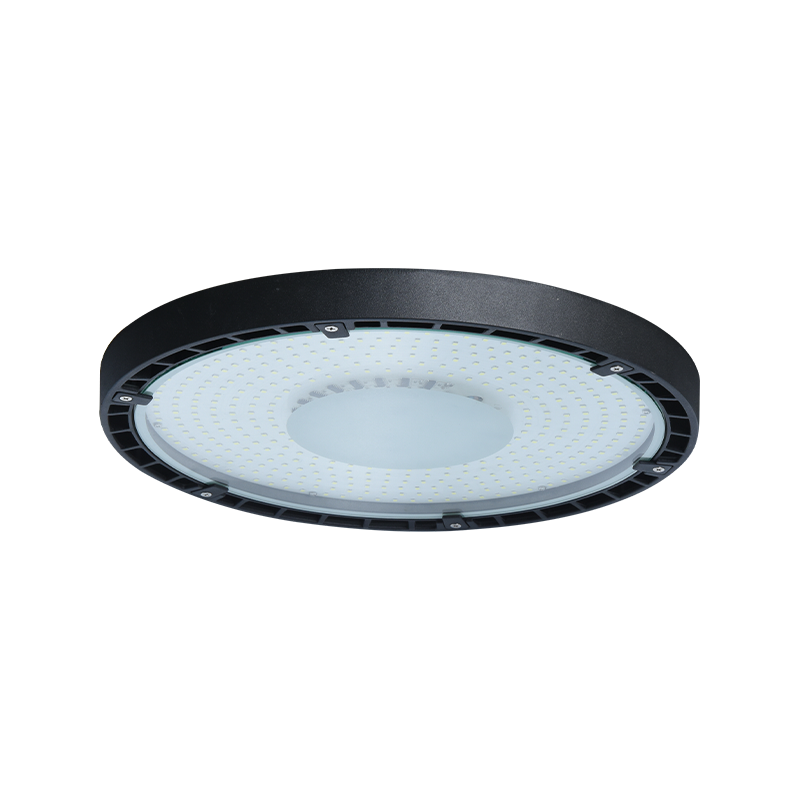
Facilities replacing older fixtures with a properly specified LED High Bay Light commonly see a noticeable reduction in monthly electricity costs, particularly in large warehouses or manufacturing floors where dozens or hundreds of fixtures operate continuously throughout extended shift hours.
Dramatically Longer Operational Lifespan
Beyond energy savings, extended fixture lifespan represents another significant advantage, reducing both the frequency and cost of maintenance interventions required to keep a facility properly lit.
Lifespan Comparison
| Fixture Type | Typical Rated Lifespan |
| Metal halide fixture | 10,000 to 20,000 hours |
| LED high bay fixture | 50,000 hours or more |
This extended lifespan is particularly valuable in facilities with high ceilings, where fixture replacement often requires specialized lift equipment and dedicated maintenance labor, making fewer replacement cycles a meaningful operational cost saving over the fixture's service life.
Instant Full Brightness Without Warm-Up Delay
Unlike gas discharge lighting technologies that require a warm-up period to reach full output, LED fixtures reach complete brightness immediately upon activation, offering practical advantages for facility operations.
Why Instant-On Performance Matters
- Facilities using motion-activated lighting zones benefit from immediate full illumination rather than a gradual warm-up period
- Power interruptions or intentional shutoffs do not require a lengthy re-ignition delay before fixtures return to full brightness
- Improved safety in work areas where sudden lighting activation is needed during shift changes or emergency situations
This immediate response capability supports both energy-saving motion sensor lighting strategies and improved safety in areas where consistent, immediate illumination is operationally important.
Improved Light Quality and Color Rendering
Beyond brightness and efficiency, LED high bay fixtures generally offer superior light quality compared to older lighting technologies, directly supporting worker productivity and safety in industrial environments.
Color Rendering Advantages
LED fixtures typically achieve higher color rendering index ratings than metal halide alternatives, meaning objects and materials appear with more accurate, natural coloring under LED illumination, which can be particularly important in quality inspection or detail-oriented manufacturing tasks.
Reduced Flicker and Visual Strain
Quality LED drivers minimize the flickering that some older lighting technologies exhibit, reducing visual strain and fatigue for workers spending extended periods under continuous facility lighting throughout a shift.
Better Light Distribution and Uniformity
LED high bay fixtures often incorporate advanced optical lens design that allows for more precise light distribution control compared to traditional fixtures, improving overall illumination consistency across a facility floor.
Optical Design Benefits
- Precisely engineered lenses direct light exactly where needed, reducing wasted light spill
- Multiple beam angle options allow fixtures to be matched appropriately to specific ceiling heights
- More uniform light coverage reduces the dark spots and uneven brightness common with older fixture layouts
Improved light uniformity supports better overall workplace safety, since consistently lit floor areas reduce the risk of accidents occurring in poorly illuminated transition zones between fixtures.
Reduced Heat Output and Cooling Load
Traditional high-intensity discharge fixtures generate substantial heat as a byproduct of their operation, which can meaningfully affect facility cooling requirements, particularly in climate-controlled industrial spaces.
How Lower Heat Output Benefits Facilities
Since LED fixtures direct more of their input energy toward light production rather than heat generation, facilities with climate control systems often experience a secondary reduction in cooling load, contributing additional energy savings beyond the direct lighting electricity reduction.
Compatibility With Smart Lighting Controls
LED technology integrates readily with modern lighting control systems, offering facilities additional opportunities for energy savings and operational flexibility beyond the fixture's inherent efficiency advantages.
Common Control Integration Options
Many LED High Bay Light fixtures support integration with motion sensors, daylight harvesting systems, and dimming controls, allowing facilities to further reduce energy consumption during periods of reduced occupancy or when supplemental natural light is available through skylights or windows.
Environmental and Sustainability Benefits
Beyond direct cost savings, the combination of reduced energy consumption and extended fixture lifespan contributes to a smaller overall environmental footprint for facility lighting operations.
Reduced Waste and Resource Consumption
Fewer fixture replacements over time mean less manufacturing resource consumption and reduced waste sent to landfills, while lower electricity demand directly reduces the facility's overall carbon footprint associated with its lighting energy source.
Who Benefits Most From Upgrading to LED High Bay Lighting
Warehouses, manufacturing plants, distribution centers, and large retail spaces with high ceilings and extended operating hours stand to gain the most from LED high bay lighting upgrades, given the combination of energy savings and reduced maintenance frequency these fixtures provide. Facilities currently operating older metal halide or high-pressure sodium systems, particularly those running lights continuously across multiple shifts, will generally see the most significant return on investment from transitioning to modern LED high bay technology.
Previous Post
Pickleball Court Lighting Cost: LED Prices, Wattage, Poles and Budget Tips
Next Post
What is the working principle of LED high bay lights?
Related Products

Our Products
Keep In Touch
export@polaryang.cn
+86-574-65167530
Xue'ao Qiangjiao Town, Ninghai County, Ningbo, Zhejiang, China
Contact Us
Copyright © Ninghai Poda Electrical Appliance Co., Ltd. Rights Reserved.
Wholesale LED Lighting Manufacturer
OEM Solar Lighting Factory
