 English
 Español
+86-13777012108
(WhatsApp/WeChat)
Home / News / Industry News / Pickleball Court Lighting Cost: LED Prices, Wattage, Poles and Budget Tips
Pickleball Court Lighting Cost: LED Prices, Wattage, Poles and Budget Tips
Consider a recreation district in Oregon. It budgeted $18,000 to light its eight existing pickleball courts, the lowest bid came back at $21,000, and the highest quote reached $64,000. That spread is normal, because pickleball court lighting cost depends on the number of courts, the LED fixture class, the pole layout, and the electrical work already on site. Most completed projects land between $12,000 and $45,000 per court, and the total for a multi-court complex can reach $120,000 or more. This guide explains where the money goes and how to make choices that keep quality high without overpaying.
Content
- 1 Why Pickleball Court Lighting Prices Vary So Much
- 2 Typical Cost Breakdown by Category
- 3 How Many LED Fixtures and What Wattage Per Court
- 4 Pole Height and Placement: Where Costs Hide
- 5 Grid Powered LED, Solar LED, or Metal Halide
- 6 Ten Year Operating Cost: LED Wins by a Wide Margin
- 7 Practical Ways to Lower Pickleball Court Lighting Cost
Why Pickleball Court Lighting Prices Vary So Much
Three decisions set the price of a pickleball lighting job: how many courts share the system, what fixtures you specify, and how far the nearest power source is from the court edge. Court count matters because a pole line between two courts serves both sides, which is why the per-court figure falls as the project grows. Fixture quality matters because commercial LED flood lights with proper lenses, drivers, and IP66 housings cost more than consumer units but deliver the uniform light players need. Site conditions can swing the estimate by thousands of dollars, especially when the electrical panel is distant or bedrock makes pole foundations difficult.
- Number of courts: a single court pays full price for poles, while two or four courts share infrastructure.
- Fixture class and wattage: 200W flood lights suit recreational play, while 400W to 500W units serve club and tournament levels.
- Pole count and height: four poles at 18 to 20 feet is a common recreational layout, while six taller poles improve tournament lighting uniformity.
- Electrical infrastructure: trenching, conduit, circuit breakers, and a dedicated panel are often the most underestimated line item.
- Controls and accessories: photocells, timers, motion sensors, and glare shields add modest but useful costs.
The horizontal bar chart shows typical installed costs for complete pickleball court lighting projects, including fixtures, poles, wiring, and labor. A single court usually finishes between $12,000 and $45,000, with most owners reporting a midpoint near $28,500. A two-court site averages around $47,500 because the center pole line is shared and electricians complete the same mobilization for a larger job. A four-court complex typically sits near $79,000, and eight-court installations average about $145,000, though premium tournament fixtures can push the total toward $220,000. Use these ranges as a sanity check when comparing bids, and be suspicious of quotes that fall far outside them.
Typical Cost Breakdown by Category
For a four-court installation in North America, the project budget splits into four main categories. LED fixtures are the largest single cost because the system needs enough units to meet foot-candle targets for safe play. Poles, foundations, and mounting hardware follow closely, and the electrical package is larger than many buyers expect. Installation labor rounds out the budget, and the percentage varies by region.
The column chart visualizes a typical four-court budget of about $68,000. LED fixtures account for roughly 32 percent of the total, because commercial grade flood lights with wide beam angles and good heat management carry higher unit prices. Poles and concrete foundations sit at 28 percent, and the cost climbs when the site needs taller poles for tournament layouts or deeper foundations for wind load. Electrical wiring, breakers, and trenching contribute 25 percent, which is a common area for cost overruns when the nearest panel is far from the courts. Installation labor, cranes, and permit fees make up the rest, so a low fixture price alone will not produce a cheap project unless the electrical and site conditions are simple.
How Many LED Fixtures and What Wattage Per Court
A standard outdoor pickleball court measures 34 by 64 feet with a recommended clear zone of 45 by 90 feet. Most lighting designers use four to six poles, with fixtures mounted at 18 to 25 feet, depending on the level of play. The table below summarizes common design targets.
| Level of play | Foot-candles | Fixture wattage | Fixtures per court |
|---|---|---|---|
| Recreational | 30 fc | 200W to 300W | 4 |
| Club | 50 fc | 300W to 400W | 6 |
| Tournament | 75 fc | 400W to 500W | 6 to 8 |
For recreational play, a quality 300W low energy LED flood light with a wide beam angle delivers about 30 foot-candles with four units per court. Clubs that host leagues often move to six fixtures in the 300W to 400W range to reach 50 foot-candles and reduce glare for players at the baseline. Tournament venues that want 75 foot-candles and TV-friendly uniformity typically pair 500W flood lights with six or eight poles. The same selection logic applies as the one covered in our guide to choosing LED stadium lights, because glare control and uniformity matter more than raw lumen output. A higher wattage fixture is not automatically better; the optical design is what turns watts into even coverage.
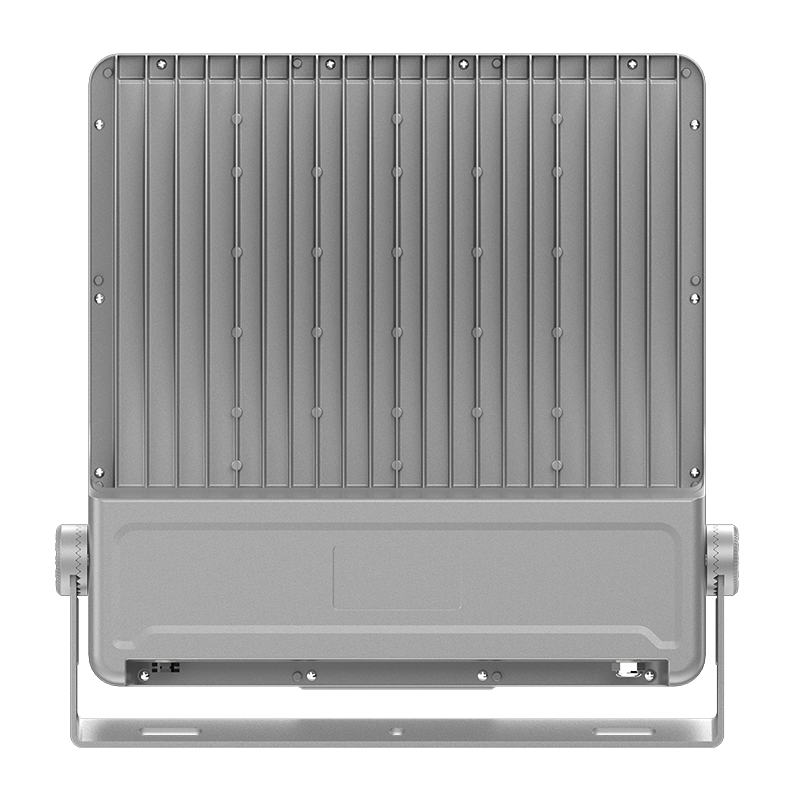 PY-FL02-300W Low Energy LED Flood Light Manufacturer - Ninghai Poda Electrical ANinghai Poda Electrical is China PY-FL02-300W Low Energy LED Flood Light manufacturer and OEM factory, offer wholesale PY-FL02-300W Low E...View Product →
Pole Height and Placement: Where Costs Hide
The cheapest way to cut pickleball court lighting cost is to use lower poles, but the mounting height directly affects glare, shadow, and how far the light spills into neighboring properties. Four poles at 18 feet with fixtures aimed inward can meet recreational targets at a modest price. Six poles at 22 to 25 feet are the safer choice for club and tournament play, because the steeper aiming angles keep light out of the players' line of sight when they look up at the ball. Foundations for 20-foot poles typically need a hole of 24 to 36 inches in diameter and a reinforced concrete pour, so bedrock or high water tables can add money quickly. Another hidden cost is the trench from the utility source to each pole. Two-court sites that share a central pole cut pole count by roughly a third, but they still need four to six foundation locations that must be marked and surveyed before construction.
Grid Powered LED, Solar LED, or Metal Halide
Buyers comparing technologies often ask whether solar lighting can remove the electrical work line item. The answer is yes in some locations, but solar pickleball court lighting carries a higher fixture package cost because each pole is a self-contained power system with a battery pack. The radar chart compares the three realistic options across the factors that matter most to a court owner.
The radar chart evaluates grid powered LED, solar LED, and metal halide across six practical criteria. Grid powered LED scores highest on energy efficiency, lifespan, light quality, and controllability, which is why it remains the default for most courts. Solar LED trades a higher initial price for zero metered electricity, making it attractive when trenching to a distant panel would be very expensive and the site receives strong sun. Metal halide appears competitive on initial cost, but its poor energy performance and short lamp life pull its overall score far down. The chart makes a simple point: pickleball court lighting cost should be judged over the life of the installation, not just the invoice on opening day.
| Metric | Grid powered LED | Solar LED | Metal halide |
|---|---|---|---|
| Installed cost per court | $20,000 to $45,000 | $35,000 to $65,000 | $15,000 to $35,000 |
| Annual energy cost per court | $250 to $450 | $0 | $800 to $1,500 |
| Fixture life | 50,000 to 100,000 hours | 40,000 to 80,000 hours | 8,000 to 15,000 hours |
| Best use case | Most courts and clubs | Remote parks and off-grid sites | Rarely recommended for new work |
For an off-grid park court, an outdoor 300W solar flood light can avoid trenching costs while still providing enough light for evening recreational play. However, cloudy winters and tall surrounding trees reduce output, so the battery capacity must be specified for the worst month of the year. Grid powered LED remains the simplest way to hit club and tournament levels at a predictable cost.
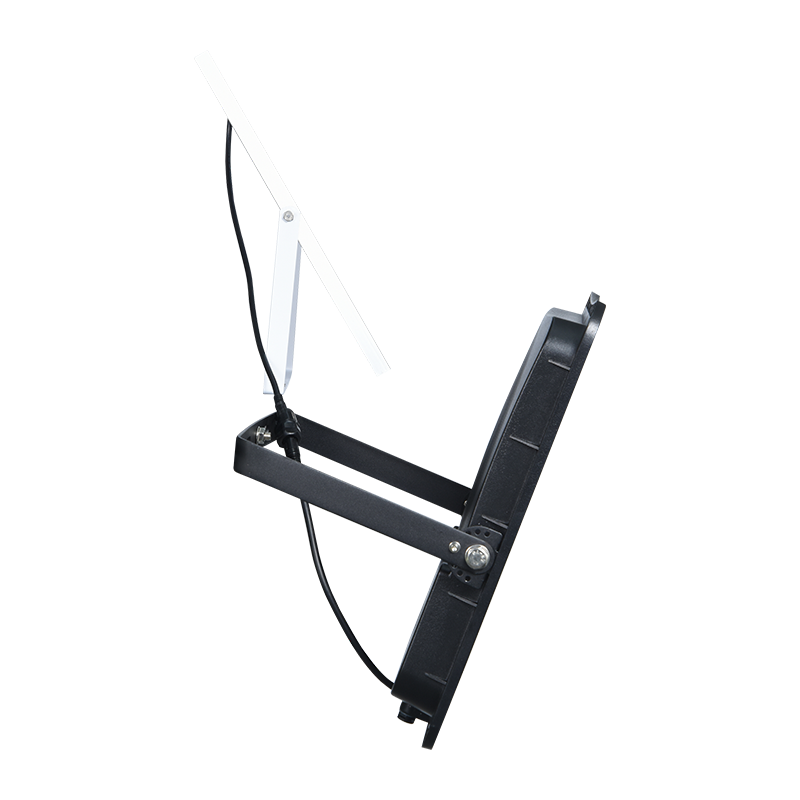 PY-SLFL30-300W Outdoor Low Energy Solar Flood Light Manufacturer - Ninghai Poda Ninghai Poda Electrical is China PY-SLFL30-300W Outdoor Low Energy Solar Flood Light manufacturer and OEM factory, offer wholesale PY-SLF...View Product →
Ten Year Operating Cost: LED Wins by a Wide Margin
The purchase price is only a third of the story. Energy use and maintenance decide whether a pickleball court lighting system stays within its original budget in year six, year eight, and year ten. The line chart below projects cumulative running costs for one court over a decade with typical commercial electricity rates.
The line chart shows cumulative energy and maintenance costs for one court over ten years. A grid powered LED system stays under $5,000 in total running costs because it draws far fewer watts and needs almost no replacement parts. Halogen systems start cheap but overtake LED in the third year as frequent bulb changes and higher wattage push the total upward. Metal halide is the most expensive to operate, since replacement lamps, ignitors, and the high input power of the fixture all add recurring charges. By year ten the gap between LED and metal halide can exceed $20,000 per court, enough to fund the superior LED fixture package twice over. If you are comparing quotes, ask what annual electricity cost each bid assumes so the number you are comparing is the same.
Practical Ways to Lower Pickleball Court Lighting Cost
- Design for sharing: place pole lines between courts and specify a fixture count that serves two courts at once.
- Specify the right fixture class: a 50,000 hour LED can save many replacement cycles compared with a basic unit.
- Check utility rebates: many North American power companies offer per-fixture or per-watt incentives for LED sports lighting.
- Build the lighting into the court construction phase, when an excavator and an electrician are already on site.
- Compare at least three bids and ask each supplier to list fixture wattage, pole height, and lighting levels separately.
A good way to control cost is to start with a clear performance spec and then let manufacturers propose the most efficient product. This usually points to a mid-range 300W or 400W LED flood light with a wide beam angle, which covers a single court at recreational levels. For multi-court clubs, a high-brightness 500W LED flood light creates the uniformity and low glare that keep players coming back. When the electrical run is unusually long or the project is far from the grid, solar flood lights deserve a serious evaluation. If you want a budget number that matches your specific site, contact our team with the court count and the distance to your nearest power source, and we will help you build a realistic figure.
 PY-LEDFL01-500W High Brightness Flood Light Manufacturer - Ninghai Poda ElectricNinghai Poda Electrical is China PY-LEDFL01-500W High Brightness Flood Light manufacturer and OEM factory, offer wholesale PY-LEDFL01-500...View Product →
Previous Post
Basketball Court Lighting: The Complete LED Design, Lux Level, and Layout Guide
Next Post
What are the advantages of LED high bay lights?
Related Products

Our Products
Keep In Touch
export@polaryang.cn
+86-574-65167530
Xue'ao Qiangjiao Town, Ninghai County, Ningbo, Zhejiang, China
Contact Us
Copyright © Ninghai Poda Electrical Appliance Co., Ltd. Rights Reserved.
Wholesale LED Lighting Manufacturer
OEM Solar Lighting Factory
