 English
 Español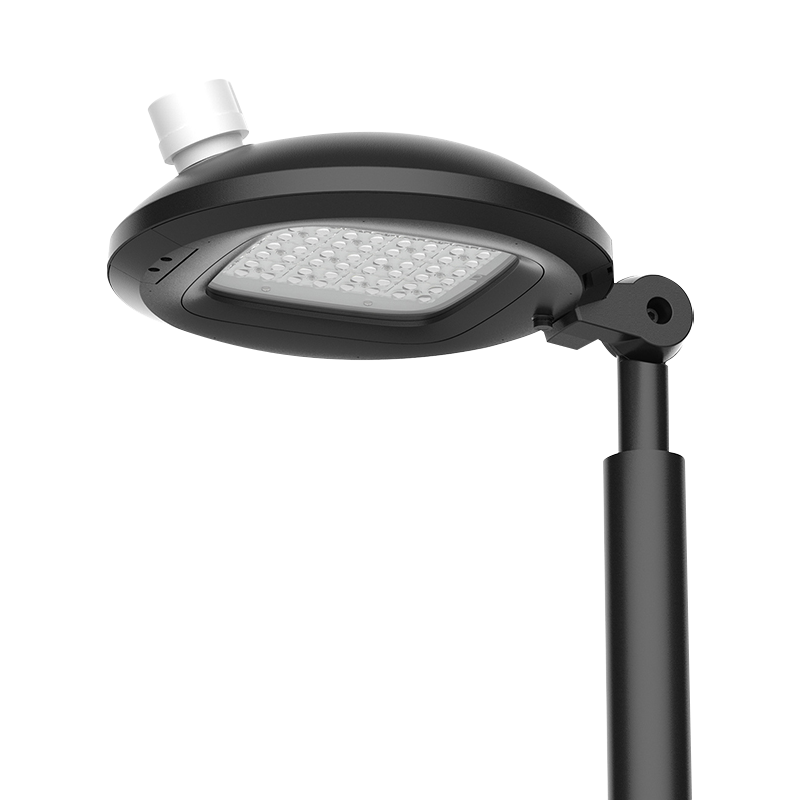
+86-13777012108
(WhatsApp/WeChat)
Home / News / Industry News / Understanding Color Temperature in LED Lighting: Choosing the Right Kelvin Scale
Understanding Color Temperature in LED Lighting: Choosing the Right Kelvin Scale
A facility manager walks through a newly lit warehouse and notices that the 5000K high bay fixtures make the space feel crisp and workable. A colleague complains that the same light feels cold and harsh. Meanwhile, a retail showroom across the street installed 2700K spotlights, and customers say that the products look warmer but slightly dimmer. Both spaces use LED lighting, and both meet the wattage targets on paper. The difference is color temperature, and getting it wrong is one of the most common specification mistakes in lighting projects.
This article explains what color temperature means in practical terms, how the Kelvin scale applies to LED fixtures, and how to choose the right correlated color temperature for a given space. We also cover CRI, spectral power distribution, and the buying factors that matter most for commercial and outdoor lighting.
Content
- 1 What Color Temperature Actually Means
- 2 The Kelvin Scale: From Warm Candlelight to Cool Daylight
- 3 Spectral Power Distribution: Why Two 4000K Lamps Can Look Different
- 4 Choosing the Right Color Temperature by Application
- 5 Warm Versus Cool: Perception Profiles Compared
- 6 Buying Considerations and Common Pitfalls
What Color Temperature Actually Means
Color temperature is a numerical scale that describes whether a light source appears warm yellow, neutral white, or cool blue. It is measured in Kelvin and is derived from the visible color that an idealized black body radiator emits when heated to a specific temperature. A candle flame sits near 1800K and looks deep orange. Clear noon daylight can exceed 6000K and looks blue. LED lamps do not rely on a heated filament, but they are assigned a correlated color temperature, or CCT, that describes how closely their visual output matches that black body reference.
The word temperature confuses many buyers. Higher Kelvin numbers produce cooler or bluer light, while lower numbers produce warmer or yellower light. This is the reverse of daily intuition, so it is worth repeating: a 2700K LED is warm and cozy, while a 6500K LED is cool and clinical. The number describes the color appearance of the light, not the heat emitted by the fixture.
The Kelvin Scale: From Warm Candlelight to Cool Daylight
Every lighting project starts with a simple question: which Kelvin value suits this space? The chart below shows where common light sources fall on the Kelvin scale. It is useful to memorize a few anchor points because they translate directly into the color appearance you will see in a fixture.
Common Light Sources on the Kelvin Scale
Reading the chart from left to right, the warmest everyday sources are candlelight at 1800K and incandescent lamps at 2700K. Halogen and warm white LED fixtures commonly sit at 3000K, which is the default for residential and hospitality lighting in many markets. Neutral white around 4000K is widely used in offices and retail environments because it balances alertness with a clean appearance. Cool white sources from 5000K to 6500K, including noon daylight and overcast sky conditions, are typical for industrial halls, streets, stadiums, and other large outdoor areas. The chart also shows why the phrase high color temperature is misleading: the highest Kelvin values produce the bluest light, which our eyes register as cool rather than hot. Understanding these anchor points helps you communicate with suppliers and avoid ordering a fixture that looks completely different from what you expected.
Spectral Power Distribution: Why Two 4000K Lamps Can Look Different
CCT describes the overall color appearance, but it does not tell the whole story about a light source. Two fixtures with the same 4000K rating can render colors differently because their spectral power distributions are different. The line chart below compares typical spectral curves for a 3000K LED and a 6500K LED.
Spectral Power Distribution of Two LED Color Temperatures
The 3000K curve concentrates most of its energy in the yellow-orange region around 590 to 620 nanometers, which is why warm white light feels rich and comfortable. The 6500K curve distributes more energy across the entire visible spectrum and carries a stronger blue peak near 450 nanometers, which is why it reads as neutral or cool. A high-quality LED module produces a smooth, broad spectrum, while a low-cost module may have deep dips in certain regions, especially around 480 nanometers, where the eye is sensitive. These dips directly affect color rendering, which is why CRI scores are reported separately from CCT. For a commercial project, ask the manufacturer for the spectral power distribution chart and the CRI value at the exact CCT you plan to buy. In our experience reviewing fixtures for export projects, the gap between a good spectrum and a poor one becomes visible as soon as the light hits merchandise, signage, or human skin.
Choosing the Right Color Temperature by Application
Choosing the right CCT should follow the task and the atmosphere rather than a fixed rule. The table below summarizes the values most commonly used in commercial and outdoor lighting projects.
| Application | Recommended CCT | Key reason |
|---|---|---|
| Hotel lobby and restaurant | 2700K to 3000K | Relaxed atmosphere, flattering skin tones |
| Retail clothing store | 3500K to 4500K | Balanced fabric and color rendering |
| Office workspace | 4000K to 5000K | Alertness with low visual fatigue |
| Factory and warehouse | 5000K to 6000K | High perceived brightness for detail work |
| Street and roadway | 4000K to 5000K | Visibility and comfort for drivers |
| Stadium and outdoor sports | 5000K to 6000K | Strong vertical light and broadcast quality |
Typical CCT by Application
The column chart visualizes the CCT bands that are most common for each project type. Residential and hospitality spaces stay below 3000K because a warm tone shortens the visual distance and creates a sense of calm. Retail environments mostly use 3500K to 4500K, a range that makes colors pop without feeling artificial. Offices settle near 4000K, which is now considered the safest compromise for long hours of screen work because it supports alertness while avoiding the cold glare of 6500K. Factories, warehouses, and sports venues push toward 5000K and above, where the blue-enriched spectrum improves visual acuity and perceived brightness at the same wattage. Cities are also standardizing street lighting around 4000K to balance face recognition, safety, and nighttime comfort. The trend in new projects is toward tunable white systems that shift the CCT during the day, but for fixed fixtures, the application table is the most reliable reference.
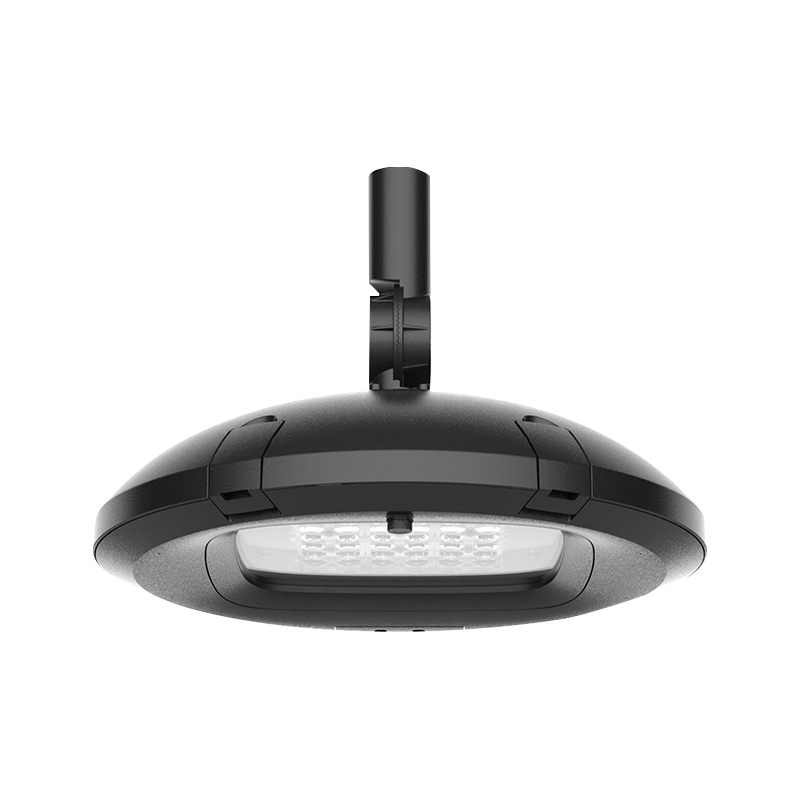
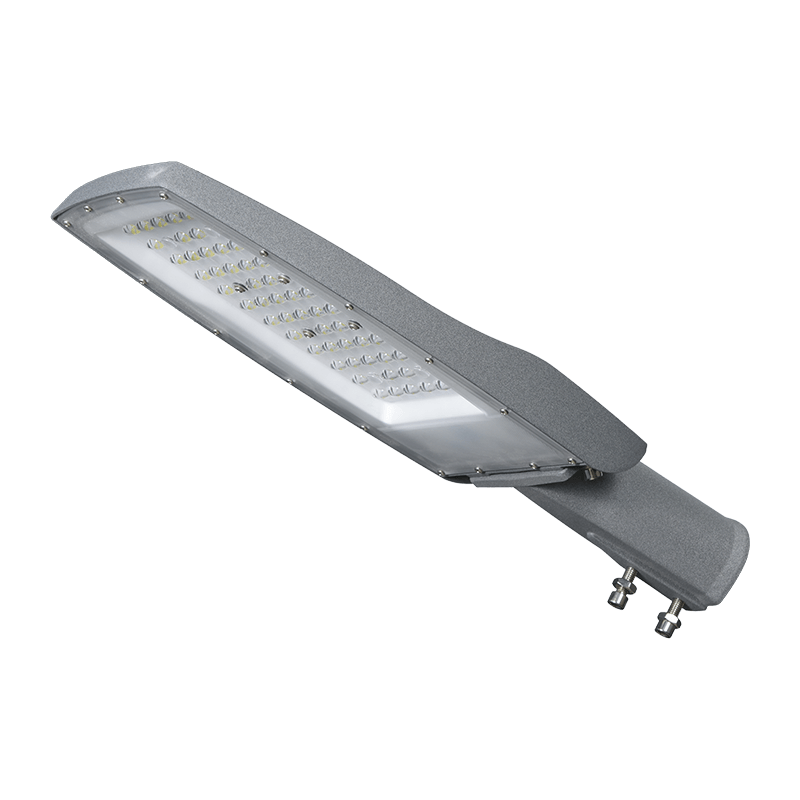
For a large roadway project, our LED street light series offers tested CCT options from 3000K to 6500K, and our engineering team can match the optics to the pole height and road class. City operators are also moving toward smart street lighting systems that adjust CCT and dimming in response to traffic, a trend covered in more detail in our overview of smart street lighting.
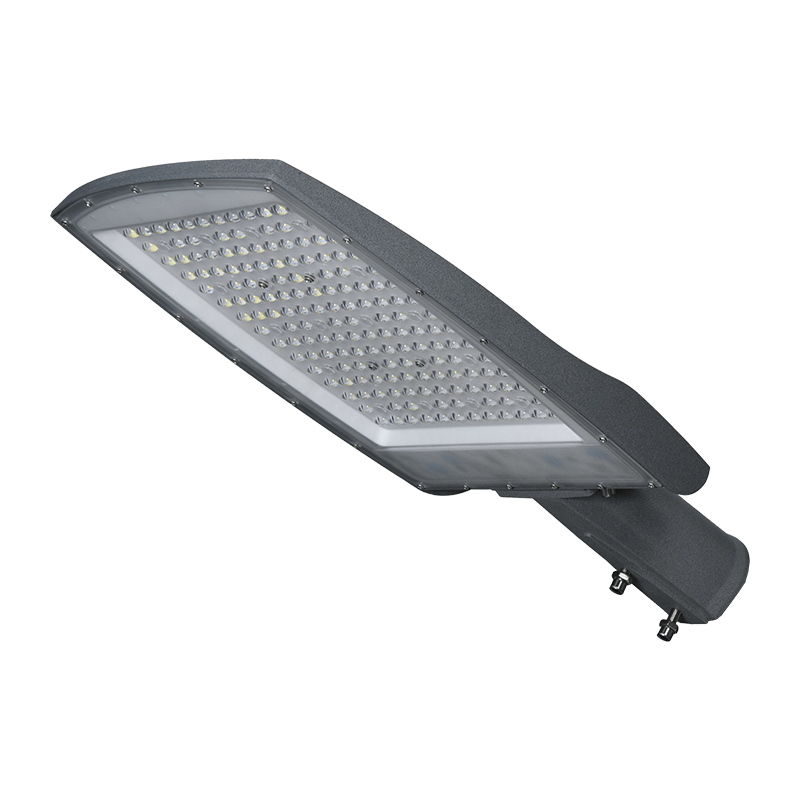
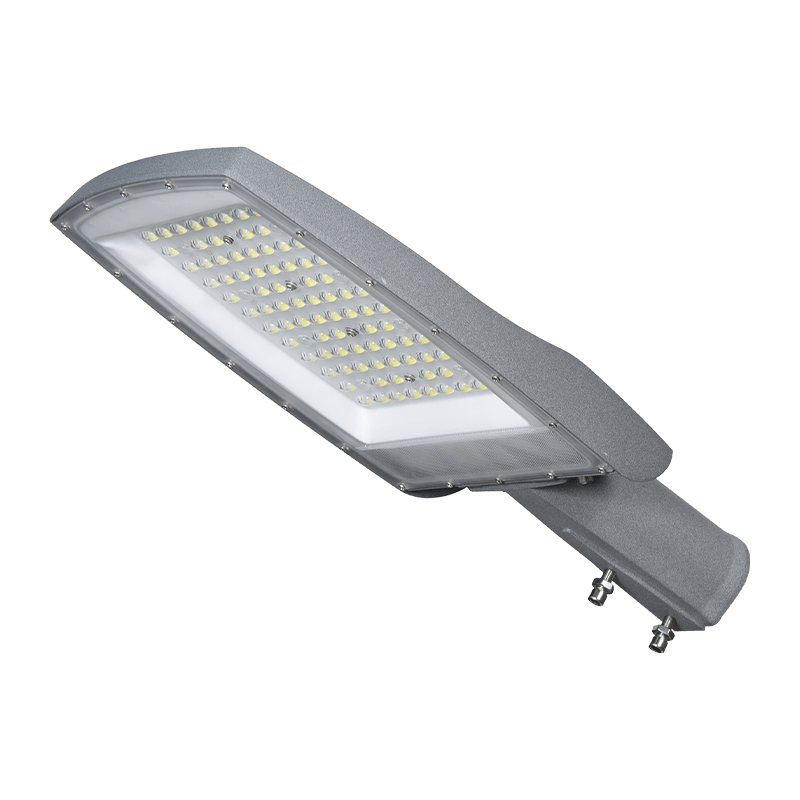
 PY-LED666-100W Die-Cast Aluminum LED Street LightThis 100W street light uses a die-cast aluminum body for reliable heat dissipation and sturdy construction, with selectable chip and driver brands. It suits main roads, plazas, and industrial parks that need strong illumination.View Product →
High bay fixtures used in factories follow a separate set of considerations, including mounting height, ambient temperature, and uniformity, which is why the high bay series is built with aluminum heat sinks and replaceable optics.
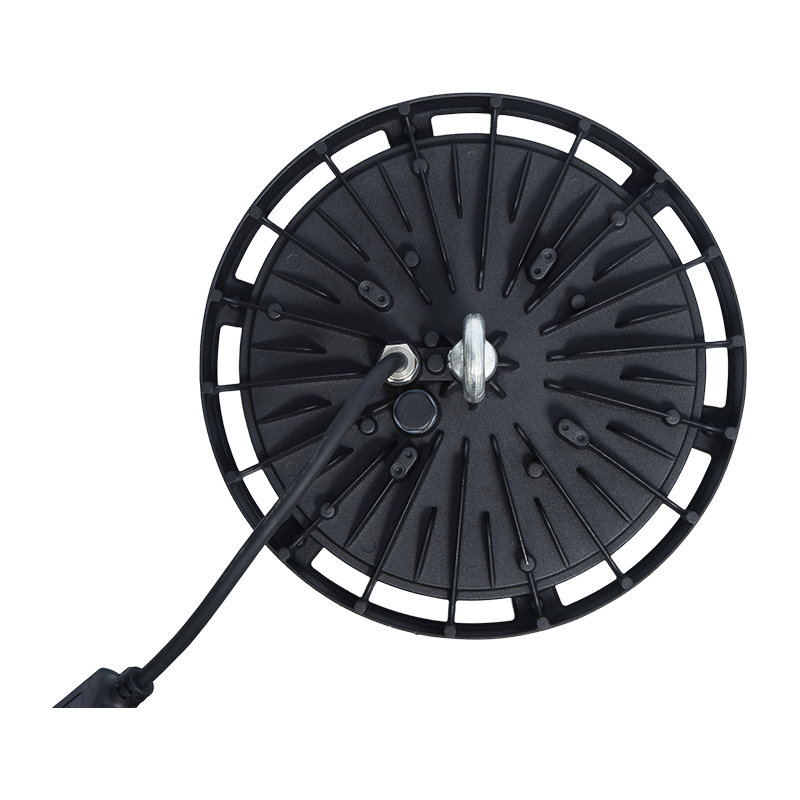 PY-LED916-150W Aluminum LED High Bay LightDesigned for tall industrial spaces like warehouses and stadiums, this 150W high bay light features an aluminum housing, IP65 protection, and efficient heat management, making it suitable for harsh, dusty, or humid environments.View Product →
Warm Versus Cool: Perception Profiles Compared
Beyond Kelvin values and spectral curves, the choice between warm and cool light affects how a space feels and how people perform in it. The radar chart below compares typical perception profiles for 3000K and 5000K lighting across six dimensions. The profiles are based on typical occupant feedback and field observations rather than on a single laboratory measurement.
Perception Profile of Warm and Cool Light
Warm light at 3000K scores higher on relaxation, mood comfort, and color accuracy in decorative settings, which is why hotels and restaurants use it almost exclusively. Cool light at 5000K scores higher on task focus, energy level, and night visibility, which explains its dominance in workplaces, parking areas, and sports grounds. Color accuracy is rated similarly for both in this chart because a well-designed LED module can achieve high CRI at either CCT; the difference appears when the spectrum is narrow or poorly balanced. The higher night visibility rating for cool light reflects the fact that scotopic vision is more sensitive to blue-green wavelengths, making the surroundings appear brighter at lower luminance. The practical conclusion is that the best color temperature depends on the activity and the time of day. A flexible approach, such as separate warm circuits for evening and cool circuits for work, is often more valuable than picking one number for an entire building.
For area lighting where both comfort and visibility matter, our flood light series lets you select the CCT at the time of ordering, and the optics produce a smooth beam without distracting shadows.
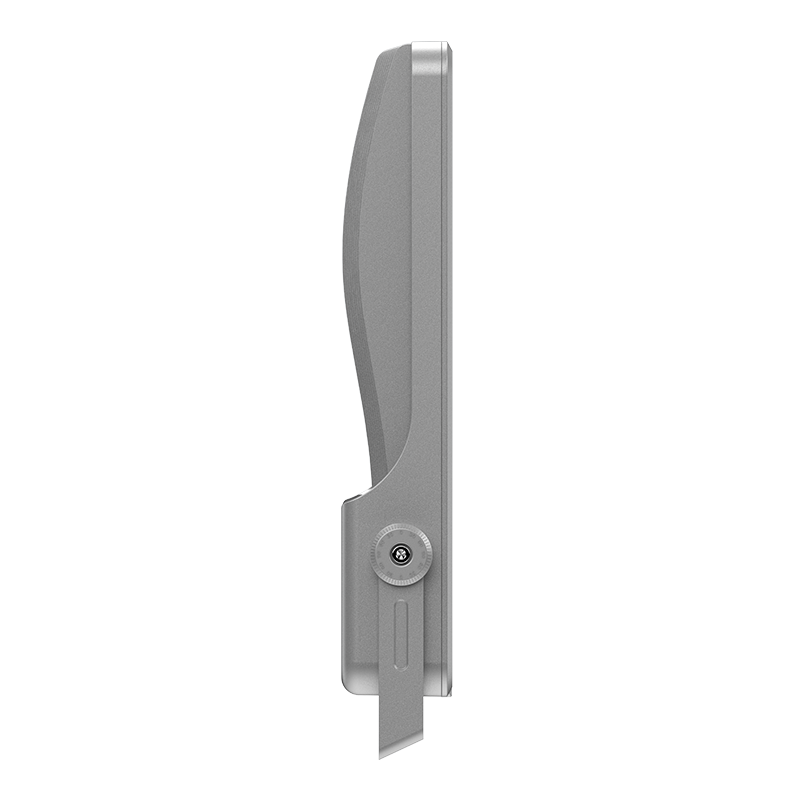 PY-FL02-200W Outdoor Low Energy Flood LightThis 200W flood light delivers 22,500 lumens at just 150W, combining energy efficiency with a lightweight aluminum housing. Ideal for roads, plazas, and parking lots that require long-duration outdoor illumination.View Product →
Buying Considerations and Common Pitfalls
CCT is only one line on a datasheet, and some sourcing pitfalls hide behind it. The most common is lumen inflation at high CCT. The same LED chip can deliver 10 to 15 percent higher luminous efficacy at 6000K than at 3000K, so some manufacturers quote the highest possible lumen output without stating the CCT used for the test. Always ask for the photometric report at the CCT you intend to order. The second pitfall is CRI without R9. CRI alone does not reveal how well a source renders saturated red, which matters for retail, food, and medical applications. The third pitfall is the assumption that all fixtures from one factory share the same tint. A production batch of LED modules can drift by 200K or more, so check the step bin, usually MacAdam 3 or better, to keep color consistent across fixtures.
Use this checklist when you evaluate a fixture:
- Confirm the nominal CCT and the accepted tolerance, usually 2700K to 6500K with a margin of about 200K.
- Check CRI and R9 values at the exact CCT you plan to purchase.
- Review the tested lumen output at that CCT, not at the highest possible chip setting.
- Verify the beam angle and light distribution that match the mounting height and spacing.
- Look for dimming compatibility and driver certification for your supply voltage.
- Ask for the MacAdam step to ensure color consistency within a single order.
Color temperature is not a decorative detail. It is a functional specification that shapes comfort, safety, task performance, and the way a space is perceived. The right choice comes from mapping each zone to its use, confirming the manufacturer's tested data at the CCT you want, and checking that the spectrum and color rendering support the actual activity. If you are planning a street, stadium, warehouse, or garden lighting project and you are unsure which Kelvin value fits best, send us your layout and we will recommend a CCT and fixture layout based on measured data rather than guesswork. The earlier you settle the color temperature question, the fewer surprises you will meet on site. You can reach our team through the contact page for a project review.
Previous Post
Commercial Exterior Light Fixtures: A Complete Buyer's Selection Guide
Next Post
Car Dealership Building Lighting: Specs, Levels, and LED Retrofit Guide
Related Products

Our Products
Keep In Touch
export@polaryang.cn
+86-574-65167530
Xue'ao Qiangjiao Town, Ninghai County, Ningbo, Zhejiang, China
Contact Us
Copyright © Ninghai Poda Electrical Appliance Co., Ltd. Rights Reserved.
Wholesale LED Lighting Manufacturer
OEM Solar Lighting Factory
