 English
 Español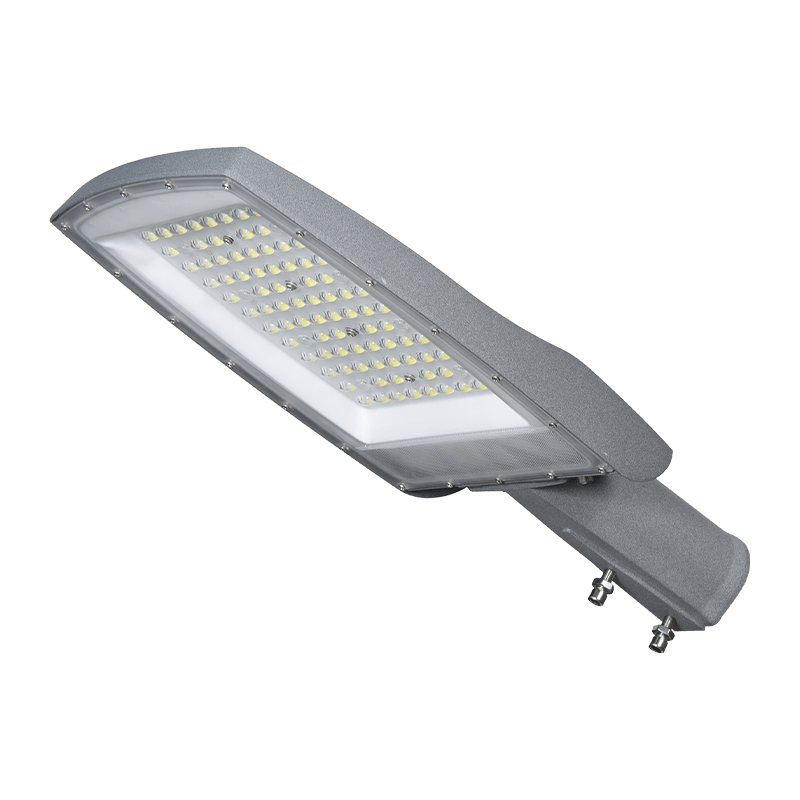

+86-13777012108
(WhatsApp/WeChat)
Home / News / Industry News / Industrial Outdoor Lighting Fixtures: Specs That Decide Project Outcomes
Industrial Outdoor Lighting Fixtures: Specs That Decide Project Outcomes
Two 240 W LED street lights sit on the same coastal road. One has a die-cast aluminium body, an IP66 sealed optical chamber, and a driver sitting in its own gasketed compartment. The other has a stamped housing with the driver bolted directly to the LED board. On delivery day they look almost identical, and they cost within a few dollars of each other. Three years later, one is still in service and the other has been replaced.
Industrial outdoor lighting fixtures are bought as systems, not as wattage figures. Housing material, sealing, thermal path, and light distribution decide whether a unit reaches its rated life in a car park, on a factory apron, or along a highway. The practical conclusion first: fix the fixture class and the photometric target for the installation, then write housing, ingress protection, and driver requirements into the purchase specification. Price negotiation comes after that, not before.
Content
- 1 Start With the Failure Mode, Not the Wattage
- 2 Matching the Fixture Type to the Installation
- 3 Housing Material and Heat: Where Die-Cast Aluminium Earns Its Cost
- 4 Wattage, Beam Angle, and Uniformity
- 5 Mains Power or Solar
- 6 Certifications, Samples, and OEM Realities
- 7 A Short Checklist Before You Place the Order
Start With the Failure Mode, Not the Wattage
Outdoor industrial fixtures rarely fail because the LED package wears out. They fail because moisture reaches the module, because the driver runs above its design temperature, or because a corroded fastener lets the gasket relax. Every one of those failure modes traces back to a line in the specification that was left blank.
| Specification | What to require for industrial outdoor use | What happens when it is under-specified |
|---|---|---|
| Housing material | Die-cast aluminium with a wall thickness of at least 2.5 mm at the mounting points | Thin sheet metal flexes in wind, the gasket loses compression and water enters |
| Ingress protection | IP65 minimum, IP66 for coastal, wash-down, or food plant exteriors | Moisture reaches the LED module and the driver board corrodes |
| Impact rating | IK08 to IK10 for roads, car parks, and wall installations | Lens breakage from stones, vandalism, or contact during maintenance |
| Driver compartment | A separate gasketed driver box with its own thermal path | The driver runs 20 to 30 degrees Celsius above design and its capacitors age twice as fast |
| Light distribution | Type II or Type III optics for roads, asymmetric narrow beams for facades and sports areas | Spill light reaches neighbouring property and uniformity falls outside the design target |
| Finish | Chromate pre-treatment with 60 to 80 microns of polyester powder coat | Coating chalks and filiform corrosion spreads under the film within a few summers |
Notice how few of those rows mention lumen output. Lumen output can be checked on a datasheet in ten seconds. The rows above usually cannot be, which is exactly why they are the ones that decide the outcome.
Matching the Fixture Type to the Installation
Mounting height, throw distance, and the surface being lit determine the family, not personal preference. A fixture chosen for the wrong mounting height produces glare at the top of the beam and dark patches underneath, no matter how efficient the LED inside it is.
- Street and roadway: 50 W to 240 W LED street lights on 6 to 12 m poles, usually with a Type II or Type III distribution. Smart models add dimming profiles and fault reporting, which matters on long roads where a single failed unit is hard to spot.
- Sports fields and stadiums: asymmetric high-output flood lights, typically 300 W to 1,200 W per head, aimed from a photometric plan so that uniformity holds across the playing surface and spill light stays inside the property boundary.
- Factories and warehouses: 100 W to 300 W high bays for ceilings above 6 m, with a wide beam for racking aisles and a narrow beam for clear-span halls.
- Building perimeters, entrances, and loading docks: 20 W to 30 W wall packs, mounted high enough to clear vehicle traffic and angled away from windows.
- Gardens, patios, and compounds: 8 W to 60 W garden lights in round, square, single, double, or triple head formats, chosen largely for how they look during the day.
- Sites with no grid connection: 20 W to 100 W solar street lights and 20 W to 400 W solar flood lights, sized around the worst month of the year rather than the annual average.
Sports lighting is the category where oversights cost the most, because re-aiming fixtures after the poles are in the ground means renting a lift twice. The checks worth running before that stage are set out in this guide to choosing LED stadium lights.
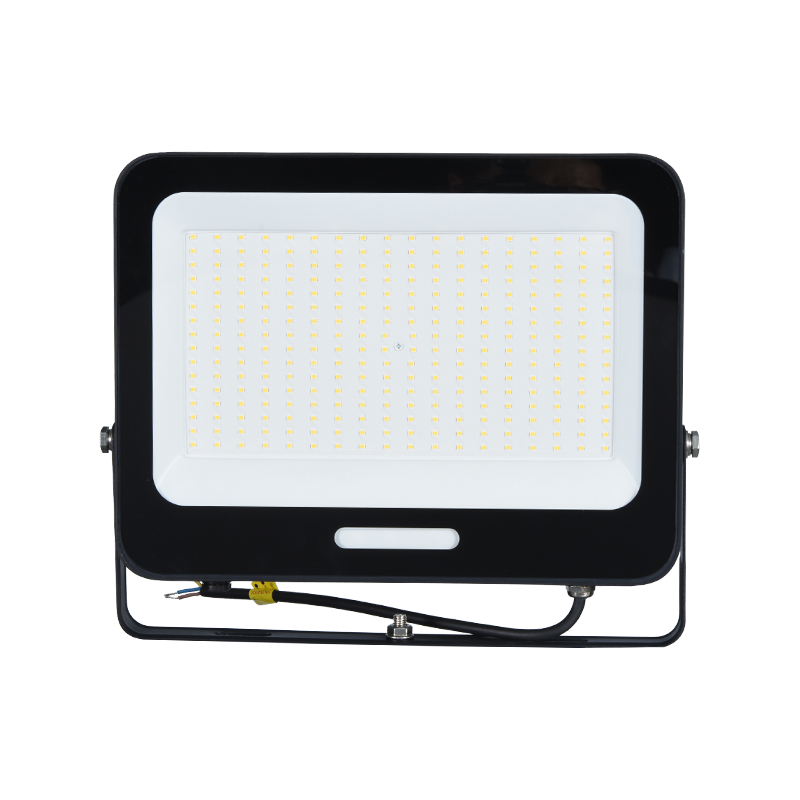
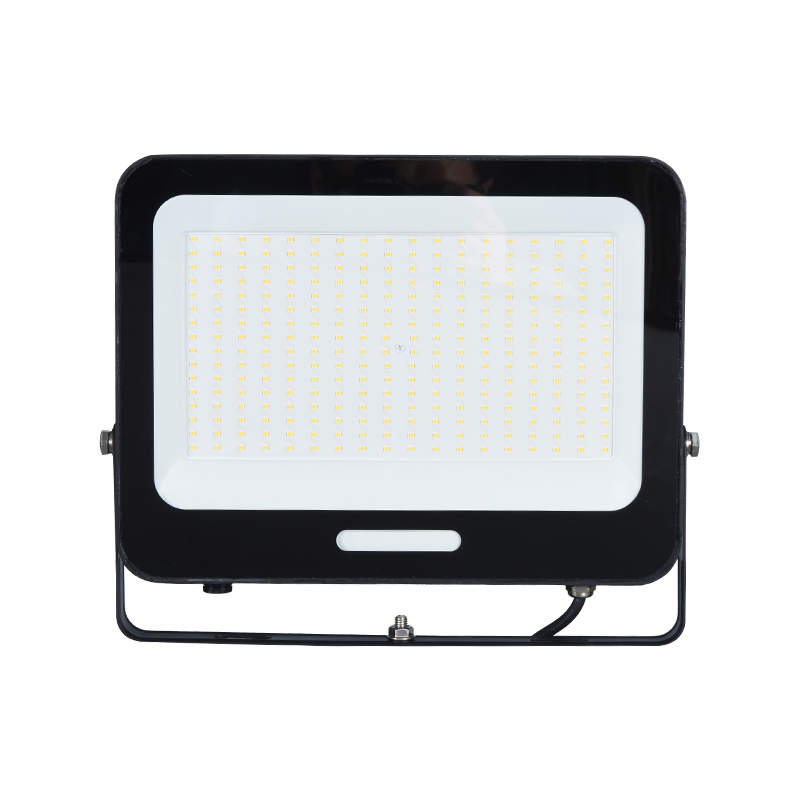
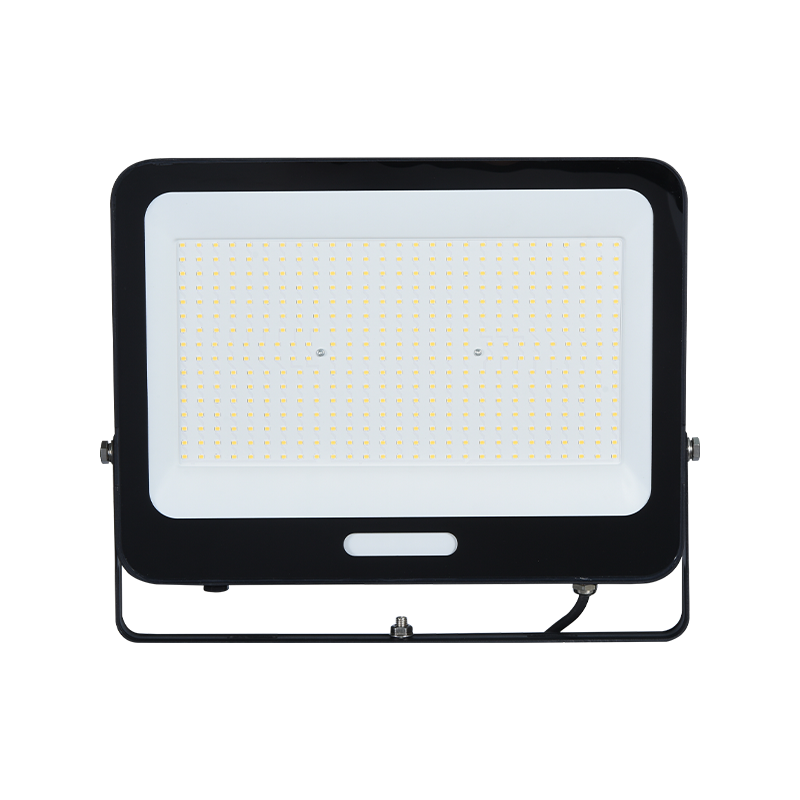
A 300 W flood light is a reasonable starting point for yard, apron, and small-field area lighting, and it is the size most projects return to when the pole height lands between 8 and 10 m.
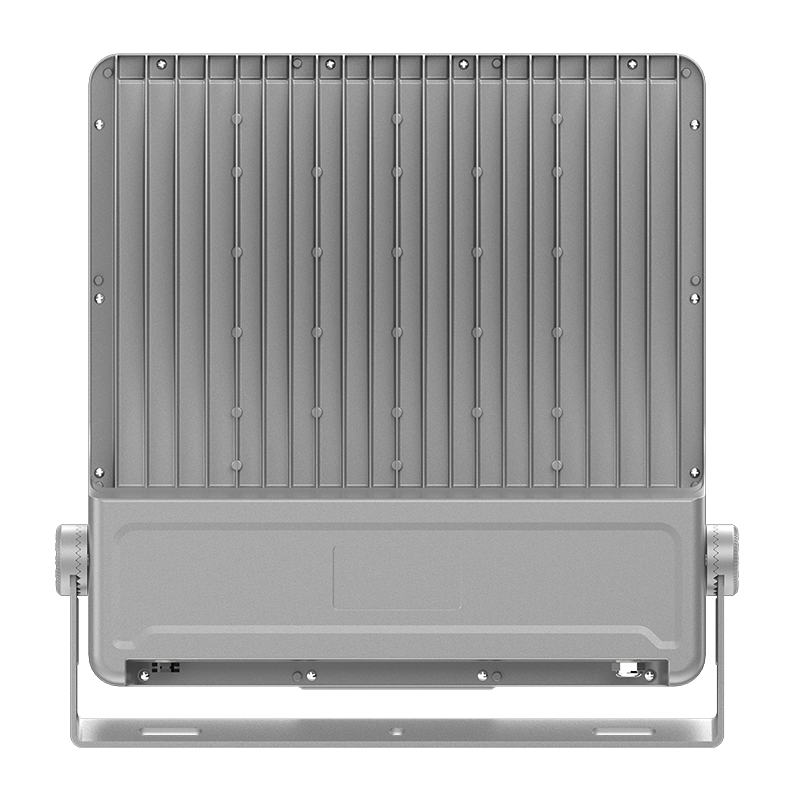 PY-FL02-300W Low Energy LED Flood LightA 300 W outdoor LED floodlight for yard, apron and small-field area lighting, with die-cast aluminium heat dissipation, IP66 protection and -40°C to 60°C operation.View Product →
Housing Material and Heat: Where Die-Cast Aluminium Earns Its Cost
Die-cast aluminium is not a marketing word. It is a thermal decision. Aluminium moves heat away from the LED board and the driver at roughly three times the rate of steel, and a die-cast body can be ribbed so that the surface area carrying that heat is far larger than the footprint suggests.
Two numbers matter more than the material name. Wall thickness at the mounting points should be at least 2.5 mm, because that is where wind load and vibration concentrate. Powder coat thickness should sit between 60 and 80 microns over a chromate pre-treatment. Below that range, coastal air finds pinholes within a couple of seasons and filiform corrosion spreads under the coating.
Fasteners deserve the same attention. Stainless steel 304 is adequate inland, while 316 is the safer default within a few kilometres of salt water. Silicone gaskets hold their compression longer than low-grade EPDM under strong ultraviolet exposure, which is the difference between an IP66 rating that lasts and one that was only true on the day it was tested.
In high-bay service, where a fixture hangs above machinery and cannot be serviced easily, a cast aluminium body with a separately compartmented driver is the pattern worth insisting on.
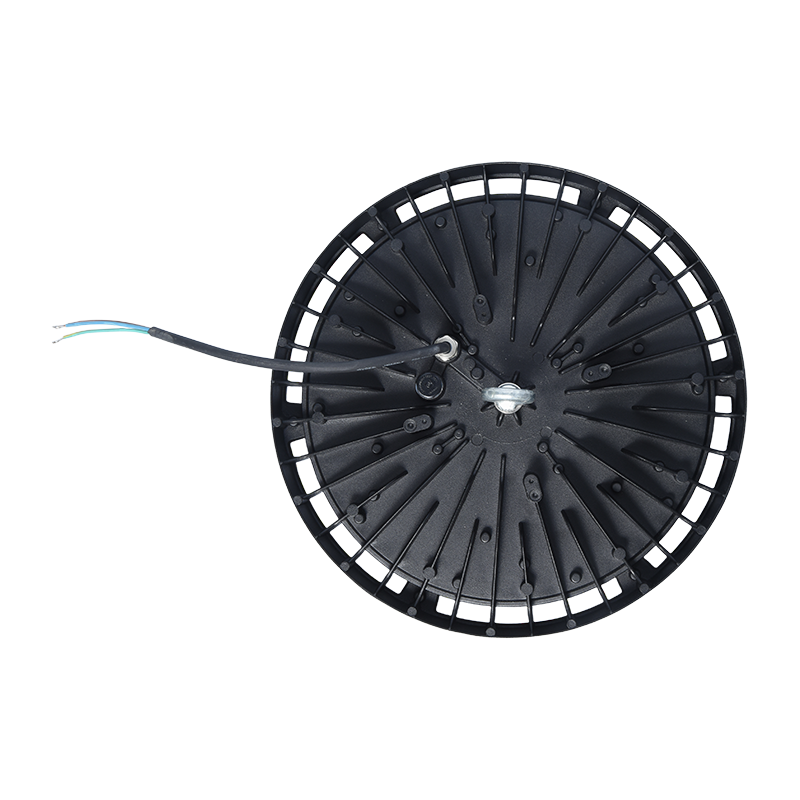 PY-LED916PAC-200W Cast Aluminum High Bay LightA 200 W LED high bay for high-load, prolonged use, with die-cast aluminium body, precision heat dissipation, up to 26,000 lumens and IP66 dust/water protection.View Product →
Wattage, Beam Angle, and Uniformity
Power ratings in outdoor LED ranges now run from about 30 W to 1,200 W in flood lights alone. That wide span exists because throw distance changes the answer. A 1,200 W unit on a 6 m pole does not produce six times the useful light of a 200 W unit. It produces glare, over-illumination directly beneath the pole, and a uniformity ratio that fails the lighting design.
Work backwards instead. Fix the illuminance target and the uniformity ratio the project needs, then choose the beam angle that puts light where the surface actually is. Roads want a long, narrow distribution with a defined backlight cut-off so that light does not enter bedrooms. Facades want a narrow asymmetric beam aimed along the wall. Car parks usually want a medium distribution with wide spacing between poles.
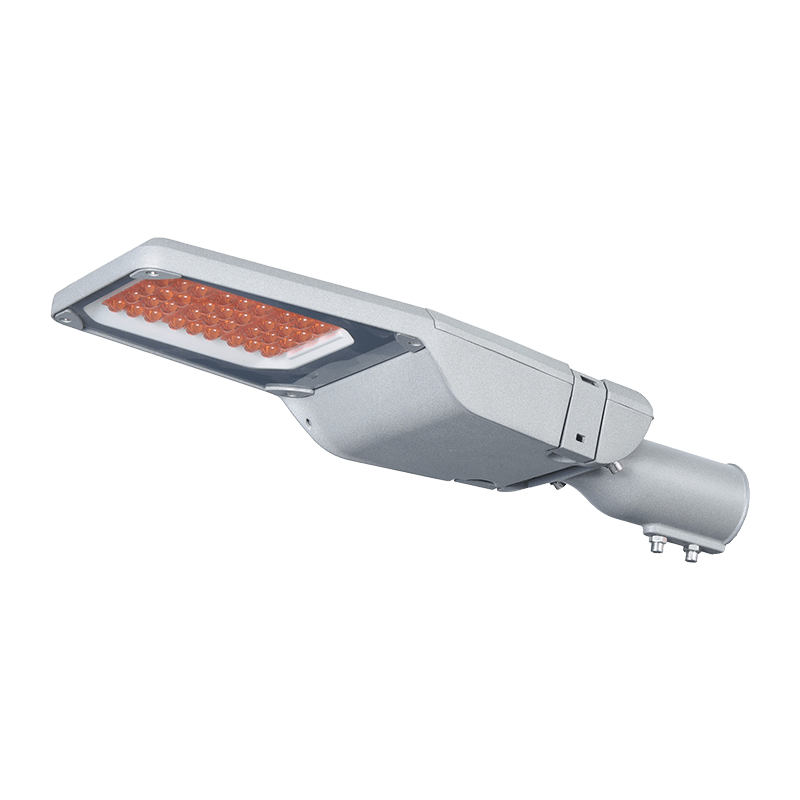
On streets, the option worth pricing separately is control. A smart street light with programmable dimming can cut energy during low-traffic hours and report a failed driver before a resident calls to complain.
 PY-LED666-240W Smart LED Street LightA 240 W smart LED street light with 160 lm/W efficacy, programmable dimming, IP66 protection and remote management compatibility for road lighting.View Product →
Mains Power or Solar
Solar outdoor fixtures have moved well past the garden-path stage. Integrated solar street lights now combine panel, lithium battery, controller, and LED in a single head, which removes trenching and cable theft from the project cost. The trade-off is the energy budget. Output has to be sized around the worst month rather than the annual average, and battery chemistry decides how long the installation stays useful.
Lithium iron phosphate batteries tolerate more charge cycles and higher temperatures than standard lithium ion cells, which makes them the better choice where a fixture sits in direct sun all year. Where lithium ion is used, expect a replacement somewhere between five and eight years, and confirm that the battery can be reached without dismantling the pole.
Mains powered fixtures still win on anything that runs continuously, needs high output, or sits under heavy tree cover. A hybrid layout is common on long access roads: mains street lights at the junction, and solar units further out where the cable run would cost more than the fixtures themselves.
Certifications, Samples, and OEM Realities
For export projects, the paperwork is part of the product. CE and RoHS declarations cover the European market, TUV reports carry weight with specifiers in several regions, and an ISO 9001 quality management certificate tells a buyer that inspection happens on a schedule rather than on request. Ask for certificate numbers and check that the model on the certificate matches the model on the quotation.
Samples are worth the freight. Hose test one unit at the specified IP level, run it for a week and measure the driver case temperature, then weigh it. A fixture that arrives 300 g lighter than the sample you approved is a different fixture, whatever the label says.
Where a project needs a non-standard housing, bracket, colour temperature, or branding, a supplier's ability to cut its own moulds matters more than its catalogue. Manufacturers that handle die design, mould development, and final assembly under one roof can hold tolerances across a production run instead of re-quoting every change. For custom or volume orders, send the project details through the contact page and ask for the tooling lead time before the order is placed.
A Short Checklist Before You Place the Order
- Fixture class matched to mounting height and throw distance, with a photometric file supplied for the exact model.
- IP rating stated with the test level and the report reference, not just the letters.
- Housing material, wall thickness, and coating thickness written into the specification.
- Driver brand, compartment design, and rated case temperature confirmed in writing.
- Certificates matched to the model number on the quotation.
- Battery chemistry, autonomy days, and replacement access confirmed for solar units.
- Packaging tested for the shipping method, since a cracked lens on arrival is a warranty argument rather than a warranty claim.
Industrial outdoor lighting fixtures are one of the few purchases where the cheapest line on a quotation is often the most expensive decision over ten years. Settle the fixture class and the photometric target first, hold the housing and driver to written numbers, and verify both with a sample. Projects specified that way are usually the ones where nobody has to climb a pole twice.
Previous Post
LED Factory Lighting: How to Specify High Bay Fixtures That Hold Up on Site
Next Post
How to Troubleshoot Parking Lot Lights: A Practical Step-by-Step Field Guide
Related Products

Our Products
Keep In Touch
export@polaryang.cn
+86-574-65167530
Xue'ao Qiangjiao Town, Ninghai County, Ningbo, Zhejiang, China
Contact Us
Copyright © Ninghai Poda Electrical Appliance Co., Ltd. Rights Reserved.
Wholesale LED Lighting Manufacturer
OEM Solar Lighting Factory
