 English
 Español


+86-13777012108
(WhatsApp/WeChat)
What is the Working Principle of an LED Street Light?
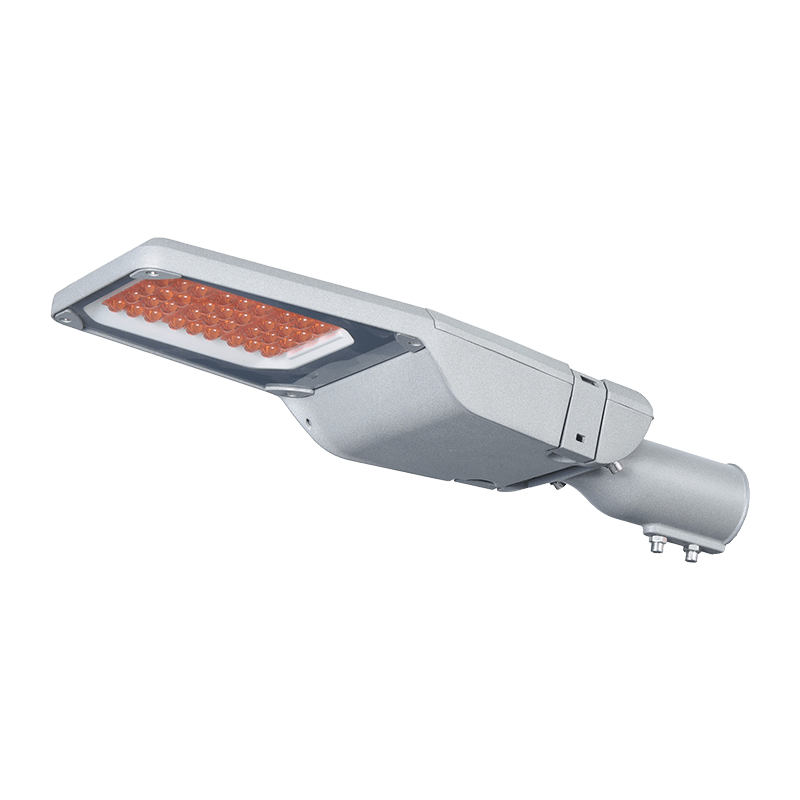
An LED Street Light uses advanced LED light source technology, offering significant energy efficiency advantages compared to traditional street lights. The LED light source is much more efficient in converting electrical energy into light energy, significantly reducing energy waste. For the same level of brightness, an LED Street Light consumes much less energy than traditional sodium or incandescent lamps, demonstrating excellent energy-saving effects. Additionally, LED Street Lights have a longer lifespan, lower maintenance costs, and can provide more uniform and comfortable lighting. As a result, LED Street Lights have become the preferred solution for urban and public area lighting.
Content
Working Principle of the LED Street Light
The working principle of an LED Street Light is based on LED (Light Emitting Diode) technology. LEDs are semiconductor materials that emit light when current flows between the P-N junctions. When current passes through an LED, electrons and holes combine within the semiconductor material, releasing light energy. Unlike traditional light sources (such as incandescent lamps or sodium lamps), LEDs emit light through direct conversion of electrical energy into light energy, reducing heat and energy loss typically seen in traditional light sources. The light source of LED Street Lights consists of multiple LED chips, each of which emits light efficiently, resulting in higher brightness and lower energy consumption.
Efficient Conversion: The LED light source directly converts electrical energy into light energy, reducing heat loss.
Long Lifespan: LED Street Lights have a much longer lifespan than traditional street lights, typically lasting over 50,000 hours.
Energy-Saving and Environmental Advantages
One of the most prominent features of LED Street Lights is their energy-saving performance. At the same brightness level, LED Street Lights consume far less electrical energy compared to traditional street lights. According to actual tests, LED Street Lights use about 50% to 80% less energy than high-pressure sodium lamps. This not only reduces the overall electricity costs of urban lighting but also effectively lowers the city's dependence on energy, contributing to the promotion of green and sustainable development.
Energy Savings: LED Street Lights save approximately 70% of electricity consumption compared to traditional street lighting systems, reducing urban carbon emissions.
Extended Lifespan: The lifespan of LED Street Lights far exceeds that of traditional street lights, which reduces the frequency of replacement, lowering maintenance and replacement costs.
High-Quality Lighting and Comfortable Experience
LED Street Lights not only save energy efficiently but also provide high-quality lighting. The LED light source provides a more uniform and softer illumination effect, avoiding the glare and flickering problems commonly seen with traditional street lights. The light from LED Street Lights is more stable, improving the quality of road surface illumination and effectively enhancing the safety of drivers and pedestrians at night.
Uniform Light Distribution: LED Street Lights distribute light evenly, reducing shadow areas and preventing unnecessary glare.
High Color Rendering Index (CRI): LED Street Lights have a high CRI, allowing for accurate color reproduction of objects, which makes night vision clearer and improves the natural beauty and aesthetics of the urban nightscape.
Wide Range of Application Scenarios
Due to the significant advantages of LED Street Lights, they have been widely applied in various public lighting areas, especially in urban roads and highways that require high brightness lighting. In addition to common urban roads, LED Street Lights are also widely used in rural roads, industrial parks, schools, hospitals, parks, residential areas, and many other locations. Their energy-efficient, eco-friendly, and safe features make LED Street Lights an ideal choice for modern urban and rural lighting.
| Application Place | Advantages |
| Urban Roads | Provides efficient lighting, reduces energy consumption, and enhances nighttime safety in cities. |
| Highways | Provides high-brightness lighting for large areas like highways, ensuring driving safety. |
| Rural Roads | Provides uniform lighting, avoiding the uneven illumination of traditional street lights, improving safety for nighttime travel in rural areas. |
| Industrial Parks | Efficient, long-lasting lighting systems reduce electricity costs and maintenance expenses in industrial areas. |
| Schools and Hospitals | Provides safe and bright environments for campuses and hospitals, ensuring clear vision for pedestrians and drivers. |
| Parks and Residential Areas | Provides soft and uniform lighting, enhancing comfort in community nighttime environments. |
Energy-Efficiency of LED Street Lights
Compared to traditional sodium or fluorescent lights, LED Street Lights show significant improvement in energy efficiency. Data shows that LED Street Lights consume more than 80% less electrical energy than traditional street lights at the same brightness level. This not only significantly reduces the operating costs of lighting systems but also decreases carbon emissions, helping cities achieve sustainable energy use.
Significant Energy Savings: Using LED Street Lights reduces electricity consumption and alleviates the electricity burden on cities.
Eco-Friendly: LED Street Lights align with green environmental principles, as they do not contain harmful substances such as mercury or lead and are easy to recycle after use.
With their high efficiency, energy-saving, environmentally friendly, and high-quality lighting features, LED Street Lights are rapidly becoming the preferred choice for urban lighting worldwide. The LED light source technology greatly improves the energy efficiency of street lights, effectively reducing electrical energy waste while providing softer and more uniform lighting, enhancing road safety. As LED Street Lights are widely applied in various public areas, they not only improve the urban nightscape and environmental quality but also contribute significantly to energy conservation and carbon emission reduction. Choosing LED Street Lights can reduce city operating costs and contribute to global energy savings and environmental protection efforts.
Previous Post
What's the difference between LED High Bay Lights and low bay lights?
Next Post
LED Garden Light vs. Traditional Garden Lights: Which is Better for Outdoor Use?
Related Products

Our Products
Keep In Touch
export@polaryang.cn
+86-574-65167530
Xue'ao Qiangjiao Town, Ninghai County, Ningbo, Zhejiang, China
Contact Us
Copyright © Ninghai Poda Electrical Appliance Co., Ltd. Rights Reserved.
Wholesale LED Lighting Manufacturer
OEM Solar Lighting Factory
