 English
 Español
+86-13777012108
(WhatsApp/WeChat)
Are LED High Bay Light Suitable for High-Temperature Environments?
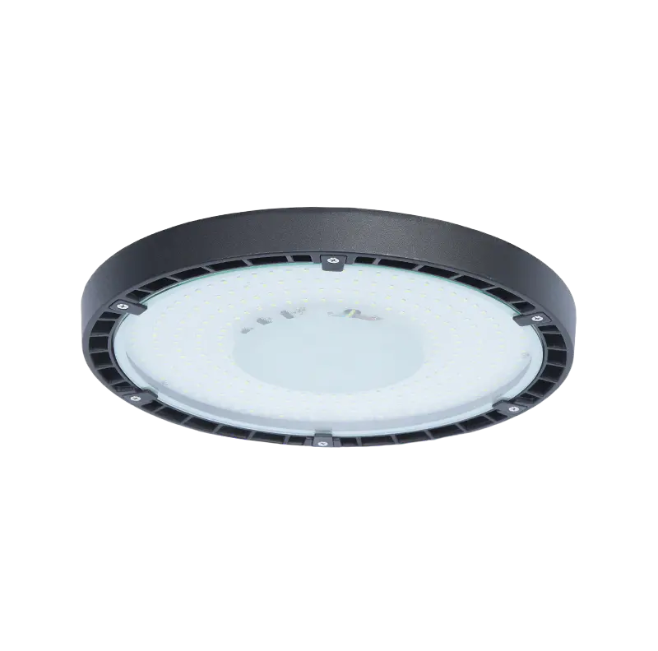
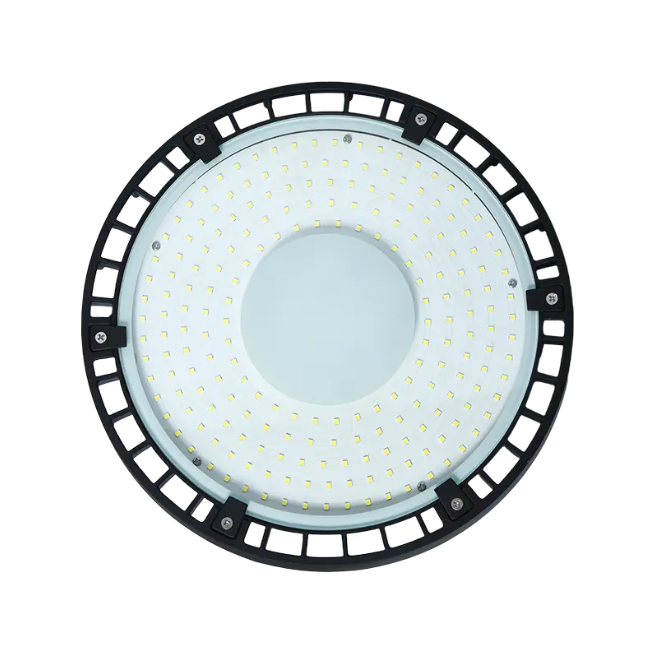
Whether LED High Bay Light can operate stably in high-temperature environments depends on their heat dissipation design, light source lifespan, and protection level. High-quality LED High Bay Light use efficient heat dissipation structures, high-temperature resistant materials, and protective design, allowing them to maintain stable luminous efficacy and long lifespan even in 40–60°C working conditions. However, ordinary low-cost LED High Bay Light lacking proper heat dissipation and high-temperature materials may experience accelerated lumen depreciation, power supply failure, or even damage under high temperatures.
Content
Heat Dissipation Design Determines High-Temperature Adaptability
The core of an LED high bay light is the LED chip and driver. High temperatures affect lumen depreciation and electrical stability. High-temperature adaptability depends on:
Heat dissipation materials: Aluminum alloy or copper heat sinks are more heat-resistant than ordinary plastic;
Heat dissipation design: Multi-fin structures, forced air cooling, or thermally conductive silicone enhance heat dissipation efficiency;
Driver layout: High-temperature driver design with over-temperature protection ensures stable power supply.
Experimental data shows that LED High Bay Light with optimized heat dissipation can maintain a lumen depreciation rate below 10% even at 55°C, with a lifespan exceeding 50,000 hours.
Protection Level Enhances Safety in High Temperatures
High-temperature environments are often accompanied by dust, humidity, or even oil smoke. The protection level (IP rating) of LED High Bay Light is crucial:
IP65 and above: Dustproof and waterproof, suitable for industrial workshops, steel mills, and high-temperature warehouses;
High-temperature resistant materials: Lampshades and sealing rings use high-temperature silicone or tempered glass;
Electrical insulation design: Ensures circuits do not short or break down under high temperatures.
Proper protection design allows LED High Bay Light to operate safely and reliably in high-temperature environments.
Light Source Lifespan and Luminous Stability
Luminous stability is a key consideration for LED High Bay Light in high-temperature environments:
Low-quality LEDs: Above 40°C, lumen depreciation accelerates, with brightness dropping over 30%;
High-quality LED High Bay Light: Using high-temperature chips and stable drivers, lumen depreciation remains below 10% at 50–55°C;
Optimized heat dissipation: Can extend lifespan by 30%–50%, ensuring long-term lighting performance.
Therefore, when selecting LED High Bay Light for high temperatures, light source lifespan and heat dissipation capability are core indicators.
Typical High-Temperature Application Scenarios
Industrial workshops: Steel, casting, mechanical processing areas;
Warehousing and logistics: High-temperature storage, areas near heat sources;
Large factories: Boiler rooms, drying workshops;
Outdoor high-temperature areas: Direct sunlight exposure, open-air warehouses.
In these scenarios, high-temperature resistant LED High Bay Light ensure long-term illumination and reduce maintenance frequency.
Recommendations for Selecting High-Temperature LED High Bay Light
Prefer aluminum alloy heat sinks with high fin density and good thermal conductivity;
Lamp IP rating of IP65 or above for dust and water protection;
Light source chips rated for high-temperature operation ≥ 55°C;
Driver with over-temperature protection or intelligent temperature control;
Lampshade and sealing materials resistant to high temperatures and aging.
LED High Bay Light’ suitability for high-temperature environments depends on heat dissipation design, protection level, and high-temperature driver design. In industrial high-temperature workshops, warehouses, steel plants, and drying facilities, using high-quality, heat-resistant LED High Bay Light ensures stable luminous efficacy, longer service life, reduced maintenance costs, and provides a safe, efficient, and durable lighting solution for high-temperature environments.
Previous Post
Can IP65 Waterproof Lamp Replace Traditional Outdoor Lamps?
Next Post
Are outdoor LED lights really more energy-efficient?
Related Products

Our Products
Keep In Touch
export@polaryang.cn
+86-574-65167530
Xue'ao Qiangjiao Town, Ninghai County, Ningbo, Zhejiang, China
Contact Us
Copyright © Ninghai Poda Electrical Appliance Co., Ltd. Rights Reserved.
Wholesale LED Lighting Manufacturer
OEM Solar Lighting Factory
